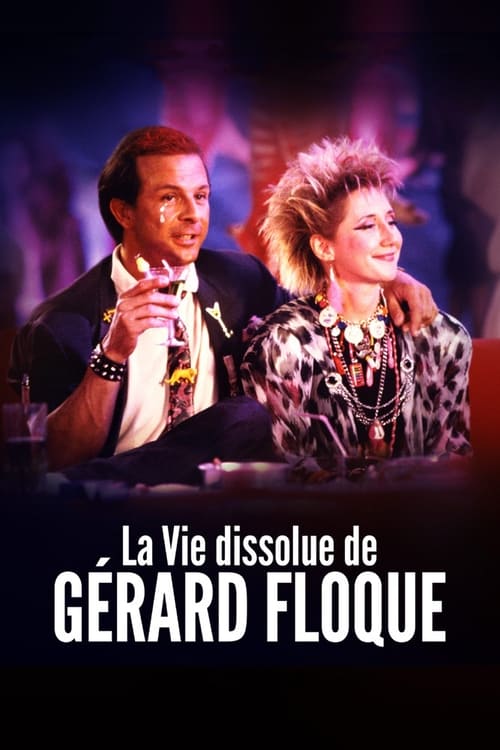
The Debauched Life of Gerard Floque
1987
No user ratings available yet
Diversity score: 4.0 out of 10
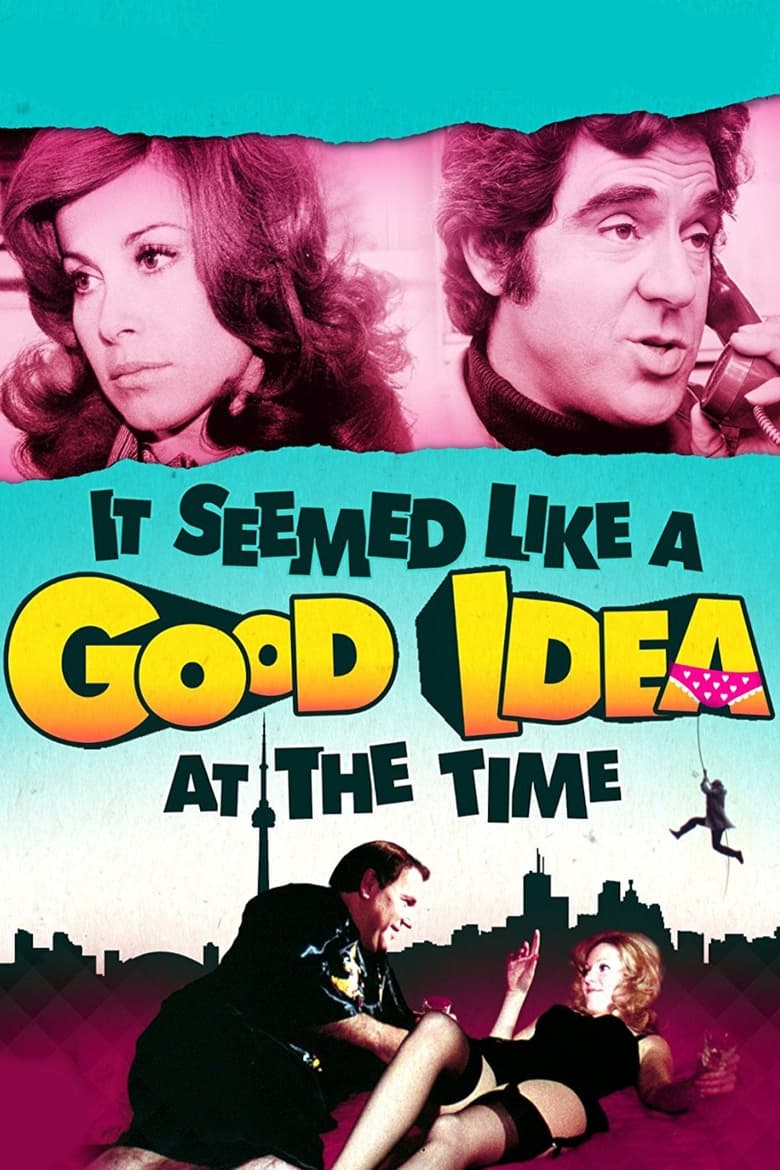
1975
PGDirector
John Trent
Runtime
90 minutes
Average Rating
No ratings yetSynopsis
Sweeney is a playwright on a career decline. He spends much of his time wheedling money and beer out of his artistic friend Moriarty. One of his few highlights is weekly sex with his ex-wife Georgia. She is remarried to a rich but vile construction developer, but Sweeney and Gorgina are still in love.
Overall Score
Fair
Category Breakdown
LGBTQ+ Representation
The film lacks explicit evidence of LGBTQ+ characters or non-heteronormative identities. The narrative focuses on a central romantic entanglement between the protagonist and his ex-wife.
Gender Representation
Gendered power dynamics are explored through a protagonist in professional decline. While the central romance remains somewhat conventional, the female lead maintains agency through her emotional connections.
Racial & Ethnic Diversity
The narrative appears to focus on a specific artistic and bohemian social stratum. There is no indication of a diverse cast or the presence of non-white characters.
Religious & Cultural Diversity
The film critiques traditional Western institutions by framing wealth and industry as potentially corrupt. It prioritizes bohemian values over capitalist stability and social hierarchies.
Disability Representation
There is no mention of characters navigating physical or neurodivergent disabilities within the narrative.
Strengths
Areas for Improvement
AI Analysis
The film serves as a cynical character study centered on social and economic disillusionment. It avoids presenting an idealized version of 1970s social structures, opting instead for a nuanced exploration of interpersonal agency. While the film lacks significant breakthroughs in racial or LGBTQ+ representation, it finds depth by deconstructing the 'successful man' archetype. The narrative uses its protagonist's decline to challenge traditional hierarchies. Ultimately, the film's impact comes from its critical lens toward the corruptive influence of wealth and its skepticism toward established social standing.
1987
1974
1969

1966
1970

1982

1971

2002
1977
1976

1970
2007
No reviews yet. Be the first to share your thoughts on this movie!
Use the rating form above to leave a star rating and optional review.