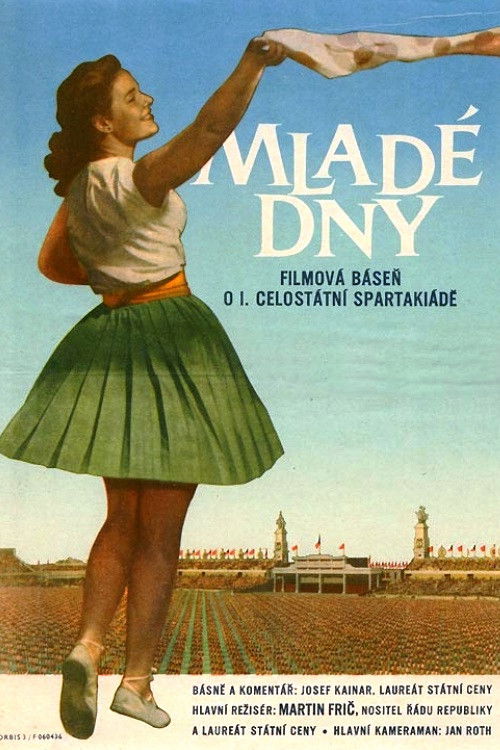
Mladé dny
1956
No user ratings available yet
Representation score: 0.0 out of 10
No Poster Available
Representation Score
Fair
1964
Director
Jan Špáta
Runtime
29 minutes
Average Rating
No ratings yetNew Showbiz Analysis
The film serves as a significant sociological inquiry into the tension between individual ability to act and state-mandated ideals. By focusing on authentic voices of youth, it deconstructs rigid cultural narratives of the socialist era. While the documentary lacks modern multi-layered casting, its strength lies in its ethnographic approach, challenging institutional authority by emphasizing personal values over collective morality. However, the film is limited by the demographic realities of its time and place, reflecting a homogeneous social strata and lacking explicit representation of diverse identities or disabilities.
Category Breakdown
The film does not depict any non-straight relationships or identities typical of 1964 Czechoslovakia.
The documentary focuses on individual perspectives, offering a nuanced view of gendered experiences beyond state-imposed hierarchies.
The film reflects the demographic homogeneity of Czechoslovakia in 1964, lacking evidence of intentional racial blending or diverse ethnic casting.
The work prioritizes subjective truth over state-sponsored morality, critiquing institutionalized values by highlighting the real desires of the younger generation.
There is no evidence regarding the presence or portrayal of characters with disabilities in this documentary.
Present on Screen
Limited or Absent
Official Synopsis
Sociological study of the real values of young people in socialism.
1956

1965

1968
1961
1979
1973
1969
1963
No reviews yet. Be the first to share your thoughts on this movie!
Use the rating form above to leave a star rating and optional review.