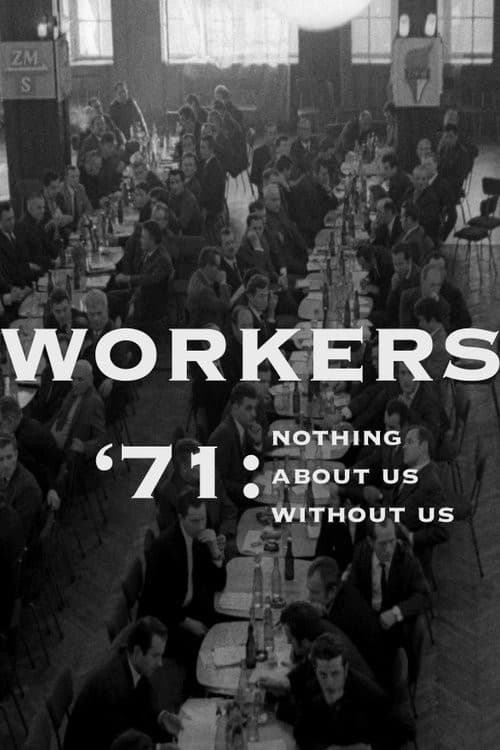
Workers '71: Nothing About Us Without Us
1972
No user ratings available yet
Representation score: 5.0 out of 10
No Poster Available
Representation Score
Fair
1969
Director
Želimir Žilnik
Runtime
11 minutes
Average Rating
No ratings yetNew Showbiz Analysis
June Turmoil offers a critical look at the 1969 Belgrade student protests, moving beyond simple observation to challenge the entrenched power structures. It emphasizes the transformative energy of collective action against rigid, corrupt systems. The film's strength lies in its critique of established power structures and systemic corruption. It highlights the ability to act of a new generation against a stagnant political apparatus. Additionally, it uses class dynamics to analyze systemic exclusion and power distribution. While the film lacks specific representation for LGBTQ+ or disabled individuals, it provides a nuanced critique of socio-economic hierarchies and institutional power.
Category Breakdown
The film highlights the collective socio-political movements during the Belgrade protests but does not explicitly address non-straight or non-cisgender identities.
Women play a key role in driving the momentum of the student demonstrations, challenging traditional patriarchal structures within the political system.
The cast is primarily made up of people from similar backgrounds, reflecting the specific Yugoslavian context. However, the film uses class differences to critique systemic inequalities.
The film critiques the stability of the communist system by highlighting the student rebellion as a necessary push for authenticity against a static regime.
There is no specific focus on disability or neurodivergence within the historical context of these student protests.
Present on Screen
Limited or Absent
Official Synopsis
The film speaks of student demonstrations in Belgrade, 1969 and of the critical quality, enthusiasm and discipline of this form of protest. It was the most powerful public criticism of "red bourgeoisie" - members of communist apparatus, who suppressed creativity and affirmation of new generations throughout Eastern block.
1972
2020
1970

1968

1968

1979
1978

1969
No reviews yet. Be the first to share your thoughts on this movie!
Use the rating form above to leave a star rating and optional review.