24 horas en la vida de Querejeta
2012
No user ratings available yet
Diversity score: 0.0 out of 10

1956
BtlDirector
Ján Kadár, Bohumil Brejcha, Martin Frič, Elmar Klos, Ivo Novák, Jindřich Puš
Average Rating
No ratings yetSynopsis
Documentary by Jan Kadar
Overall Score
Minimal
Category Breakdown
LGBTQ+ Representation
The film contains no evidence of LGBTQ+ characters or non-cisnormative identities. It lacks narratives that critique heteronormativity.
Gender Representation
There is no verifiable evidence of subverting traditional gender hierarchies. The film does not appear to challenge established masculine or feminine tropes.
Racial & Ethnic Diversity
The production reflects the homogeneous ethnic demographics of the 1956 Eastern Bloc. No non-white majority casts or racial metaphors are present.
Religious & Cultural Diversity
The documentary aligns with the institutional frameworks of its era. It lacks themes centered on secularism or the deconstruction of traditional family units.
Disability Representation
There is no information confirming the presence of characters with visible or invisible disabilities. Neurodivergent agency is not documented.
Strengths
Areas for Improvement
AI Analysis
Mladé dny is a 1956 Czechoslovak documentary that appears to function as a standard production of its historical period. It lacks any documented evidence of intersectional or subversive narrative architecture. The film operates within the demographic and social constraints of the mid-1950s Eastern Bloc. There are no visible indicators of progressive representation regarding gender, race, or identity. Without specific on-screen evidence of diverse characters or non-traditional roles, the work remains a baseline reflection of its era's social norms.
2012
1935

1958
1950
2002
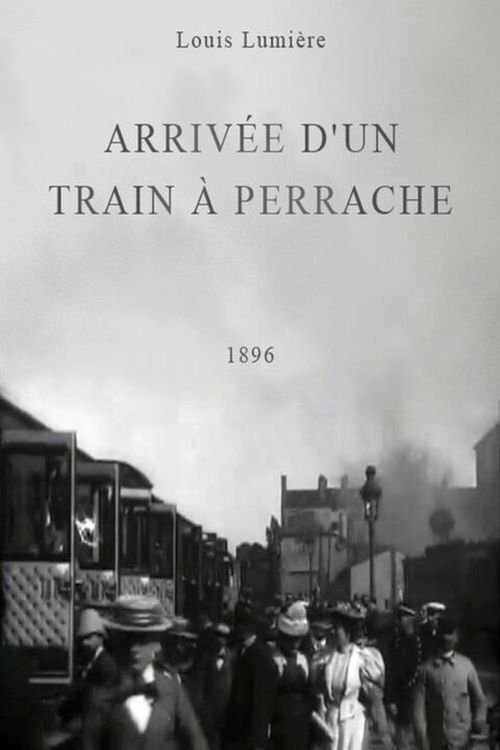
1896
1963
1945
1966
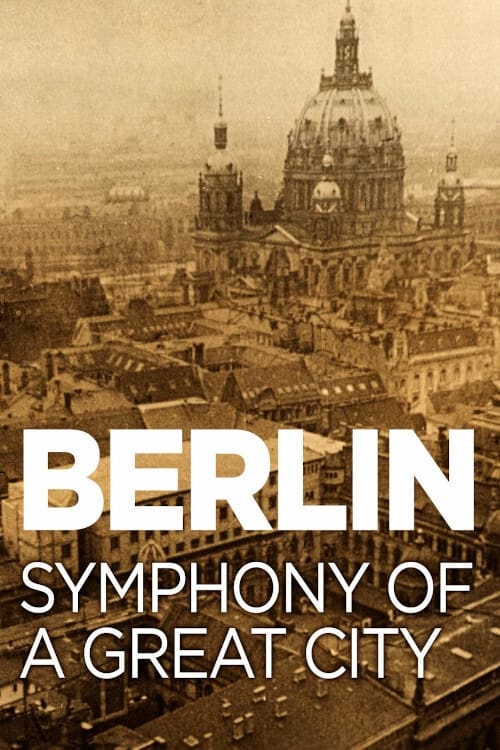
1927
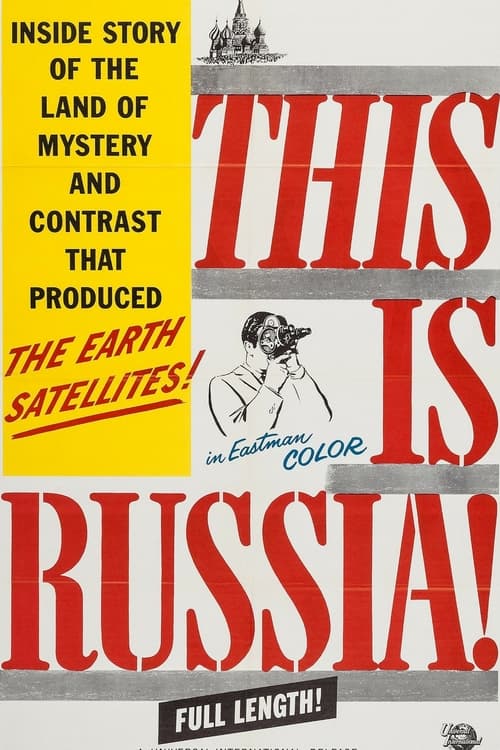
1957
1955
No reviews yet. Be the first to share your thoughts on this movie!
Use the rating form above to leave a star rating and optional review.