No Man Is an Island
1962
No user ratings available yet
Representation score: 2.4 out of 10
Representation Score
Limited
1943
NRDirector
Tay Garnett
Runtime
114 minutes
Average Rating
No ratings yetNew Showbiz Analysis
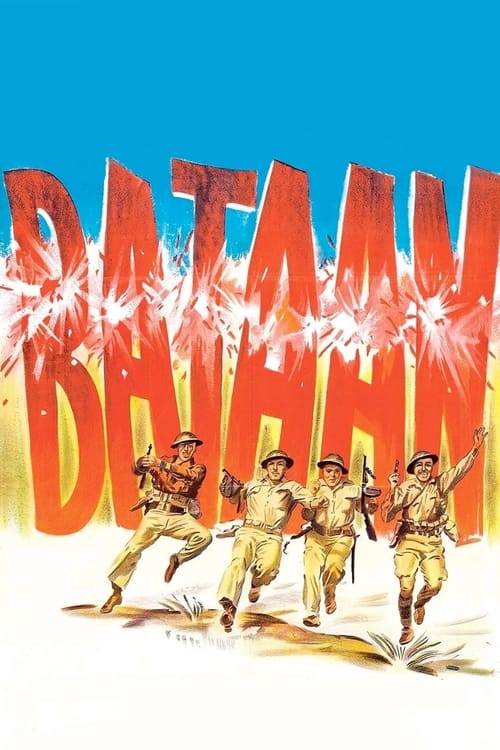
Bataan is a quintessential wartime film designed to bolster national resolve through traditional storytelling. It prioritizes collective duty and institutional loyalty over the exploration of individual identity or the subversion of social norms. The film's primary strength lies in its depiction of the alliance between American and Filipino forces, providing a level of racial integration uncommon for early Hollywood, emphasizing cooperation through shared survival. However, the narrative is heavily constrained by the era's social hierarchies, lacking gender diversity, LGBTQ+ representation, and meaningful disability ability to act, focusing instead on the physical capacity to fight.
Category Breakdown
The film operates within a strictly heterosexual and cisgender military framework. There are no representations of LGBTQ+ identities or same-sex relationships.
The narrative focuses almost exclusively on male soldiers, presenting leadership and combat roles as the exclusive domain of men, reflecting the social constraints of the time.
The film depicts a collaborative effort between American and Filipino soldiers, highlighting a shared military objective and cooperation between different races.
The story emphasizes Western institutional strength and patriotism, celebrating military cohesion and the necessity of sacrifice for the state without exploring moral relativism.
Physical trauma and sickness are used as plot devices to heighten desperation and conflict, rather than providing opportunities for characters with disabilities to take control of their situations.
Present on Screen
Limited or Absent
Official Synopsis
During Japan's invasion of the Philippines in 1942, Capt. Henry Lassiter, Sgt. Bill Dane and a diverse group of American soldiers are ordered to destroy and hold a strategic bridge in order to delay the Japanese forces and allow Gen. MacArthur time to secure Bataan. When the Japanese soldiers begin to rebuild the bridge and advance, the group struggles with not only hunger, sickness and gunfire, but also the knowledge that there is likely no relief on the way.
1962
1949

1942
1943

1951
1953

1943
1969
No reviews yet. Be the first to share your thoughts on this movie!
Use the rating form above to leave a star rating and optional review.