
Aces High
1976
No user ratings available yet
Representation score: 0.8 out of 10
Representation Score
Minimal
1938
NRDirector
Edmund Goulding
Runtime
103 minutes
Average Rating
No ratings yetNew Showbiz Analysis
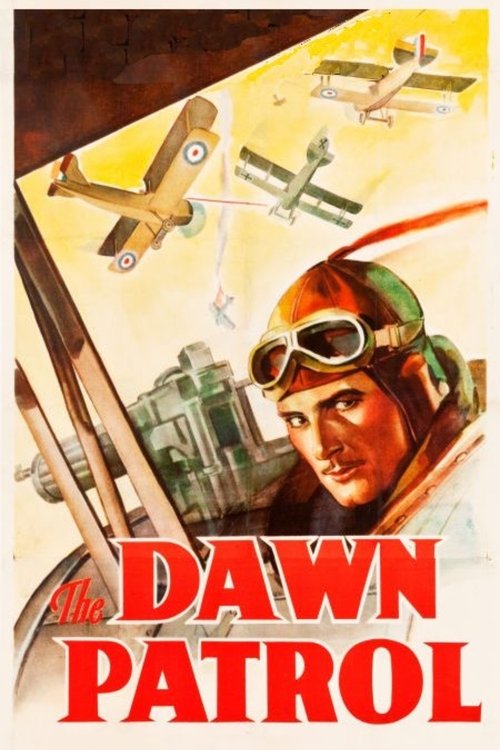
The Dawn Patrol is a war drama set in the early 20th century, emphasizing masculine camaraderie and institutional duty. Its narrative structure revolves around the traditional archetypes of the 1930s studio system, focusing on the psychological pressures of military leadership within a homogeneous group. The film's representation is limited by the era's social norms, resulting in a predominantly white cast that lacks racial and ethnic diversity. The story reinforces existing hierarchies regarding gender and social identity without challenging them. While it explores the human cost of conflict, it does so through a lens of universal sacrifice rather than through specific explorations of disability or multi-layered identities.
Category Breakdown
The film does not include any LGBTQ+ characters or themes related to same-sex relationships or non-cisgender identities.
The story centers on male characters and their roles within a military unit. Women are primarily portrayed as emotional supports or romantic interests, rather than as independent drivers of the plot.
The cast is predominantly white, reflecting the historical context of the 1930s. The film does not offer diverse ethnic perspectives or representations.
The film emphasizes traditional wartime values like patriotism and duty. It upholds conventional views of institutional order and service to the state without challenging traditional cultural values.
The film addresses combat-related psychological stress as a universal issue but does not explore specific disabilities or neurodivergence as central identities.
Present on Screen
Limited or Absent
Official Synopsis
In 1915 France, Major Brand commands the 39th Squadron of the Royal Flying Corps. The young airmen go up in bullet-riddled "crates" and the casualty rate is appalling, but Brand can't make the "brass hats" at headquarters see reason. Insubordinate air ace Captain Courtney is another thorn in Brand's side...but finds the smile wiped from his face when he rises to command the squadron himself. Everyone keeps a stiff upper lip.
1976
1930
1948
1949
1942
1927

1930
1966
No reviews yet. Be the first to share your thoughts on this movie!
Use the rating form above to leave a star rating and optional review.