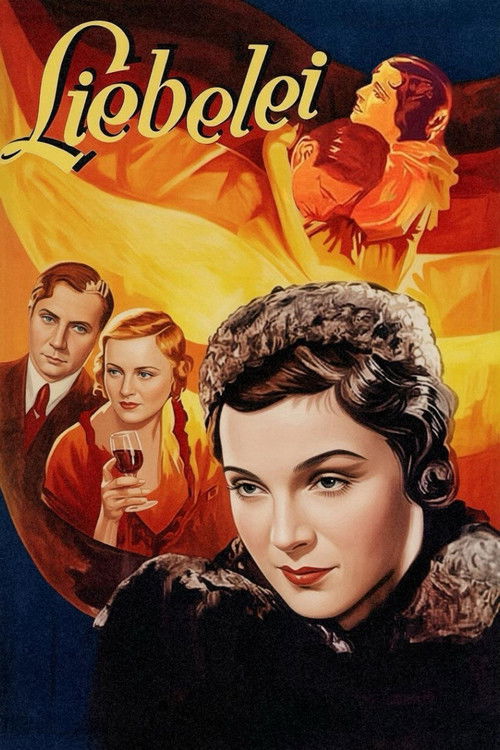
Liebelei
1933
No user ratings available yet
Representation score: 2.3 out of 10
Representation Score
Minimal
1933
Director
Max Ophüls
Runtime
82 minutes
Average Rating
No ratings yetNew Showbiz Analysis
Max Ophüls' melodrama is set in a 19th-century German context and closely follows the social and racial norms of that time. The film features a homogeneous cast and a strictly straight-centered romantic structure. While it lacks diversity in identity representation, it offers a subtle subversion of gendered power dynamics. The male protagonist transitions from social impunity to emotional vulnerability, although the moral weight of the story remains centered on the female characters. Ultimately, the film examines the personal costs of romantic choices within the inescapable social fabric of 19th-century Europe.
Category Breakdown
The film focuses solely on straight relationships and does not include any characters with LGBTQ+ identities or queer narratives.
The film shifts the male lead towards emotional vulnerability, challenging the traditional conqueror archetype. However, female characters face stricter moral scrutiny compared to the male protagonist.
The cast is entirely made up of actors from the same background, reflecting the historical context of a 19th-century German production. It focuses on the social dynamics of European bourgeois life.
The film portrays a traditional view of social structures and class hierarchies, operating within existing Western institutions without critiquing them.
There are no visible depictions of physical or neurodivergent disabilities in the film.
Present on Screen
Limited or Absent
Official Synopsis
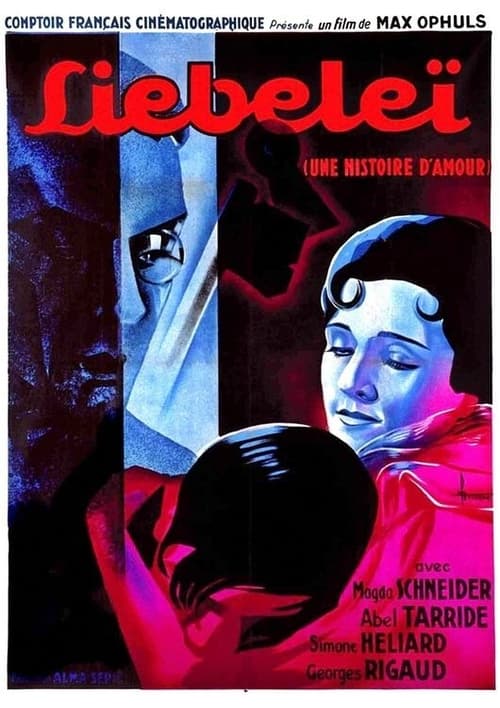
A young German officer's life is turned upside when he tries to end his affair with a married baroness after falling for an innocent young singer. French version of Ophuls' Liebelei.
1933

1945
1958
1953
1927

1935
1930

1952
No reviews yet. Be the first to share your thoughts on this movie!
Use the rating form above to leave a star rating and optional review.