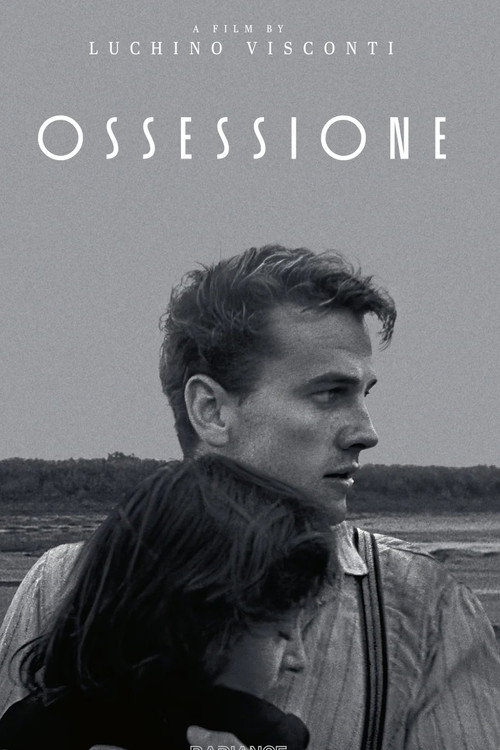
Obsession
1943
No user ratings available yet
Representation score: 4.7 out of 10

Representation Score
Limited
1950
Not RatedDirector
Michelangelo Antonioni
Runtime
98 minutes
Average Rating
No ratings yetNew Showbiz Analysis
Antonioni’s work serves as a foundational text for deconstructing mid-century social norms. By framing the nuclear family and bourgeois stability as hollow constructs, the film challenges the perceived moral superiority of traditional Western institutions. While the film lacks modern multi-layered markers regarding race and LGBTQ+ identity, its narrative structure remains progressive for its time. It replaces traditional judgment with a lens of moral relativism, focusing on the individual's existential crisis. The film's strength lies in its psychological depth and its subversion of domestic duty, though it remains limited by the homogeneous social landscape of 1950s Italy.
Category Breakdown
The film focuses solely on a heterosexual relationship and does not depict any non-straight identities or challenge the assumption that everyone is straight.
The narrative centers on a woman's internal psychological journey and her pursuit of desire. She demonstrates a significant role in driving the story by challenging her bourgeois marriage through an affair.
Set in post-war Rome, the cast and setting are largely homogeneous. The film reflects the specific socio-cultural context of its era without diverse casting.
The film critiques Western bourgeois institutions by portraying upper-class life as an existential void. It prioritizes subjective emotional truth over traditional religious or social morality.
There are no discernible depictions of physical or neurodivergent disabilities. Such traits do not serve as central narrative drivers or plot devices.
Present on Screen
Limited or Absent
Official Synopsis
A wealthy, possessive husband's investigation reignites his young wife's past love, leading them to plot against him. As obstacles fall away, their passion faces a new test.
1943
1945
1961
1952
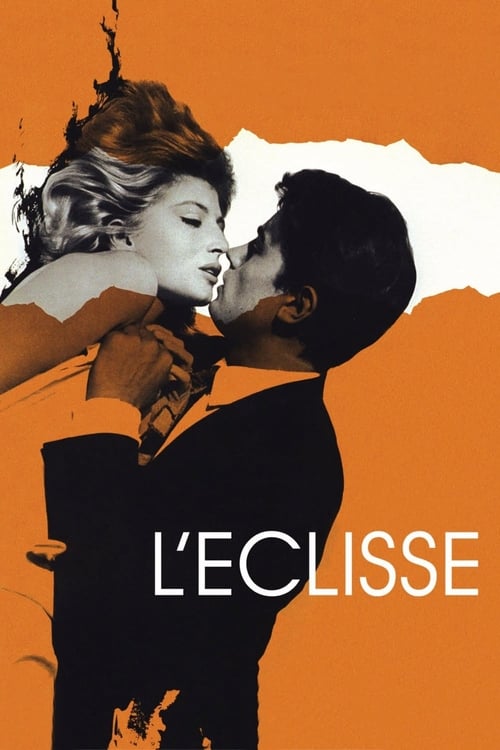
1962
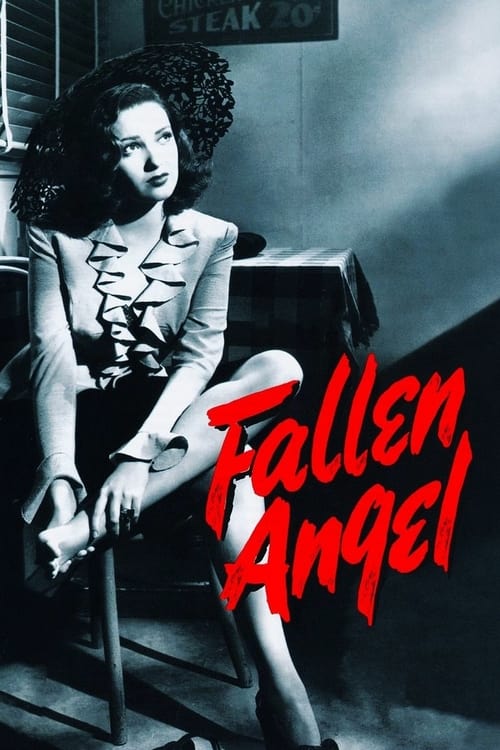
1945
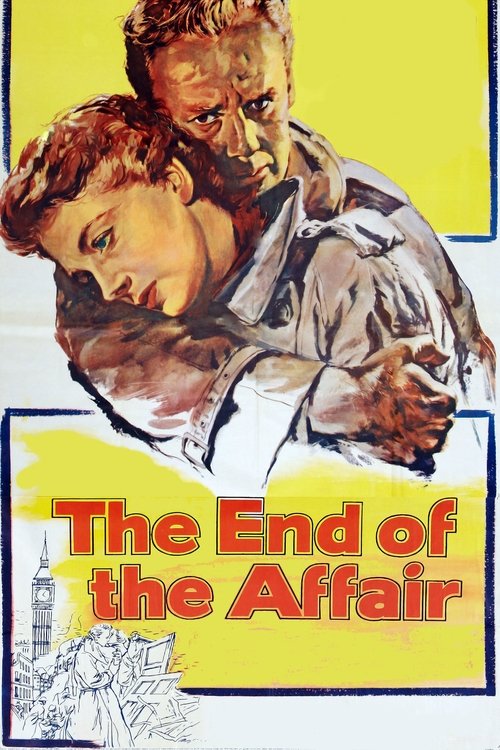
1955
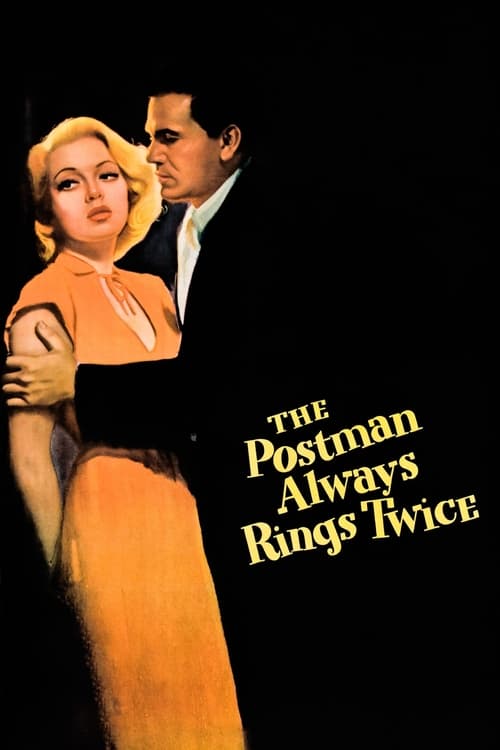
1946
No reviews yet. Be the first to share your thoughts on this movie!
Use the rating form above to leave a star rating and optional review.