
Manhunt in the Jungle
1958
No user ratings available yet
Representation score: 1.9 out of 10
Representation Score
Minimal
1958
ApprovedDirector
Hugo Fregonese
Runtime
107 minutes
Average Rating
No ratings yetNew Showbiz Analysis
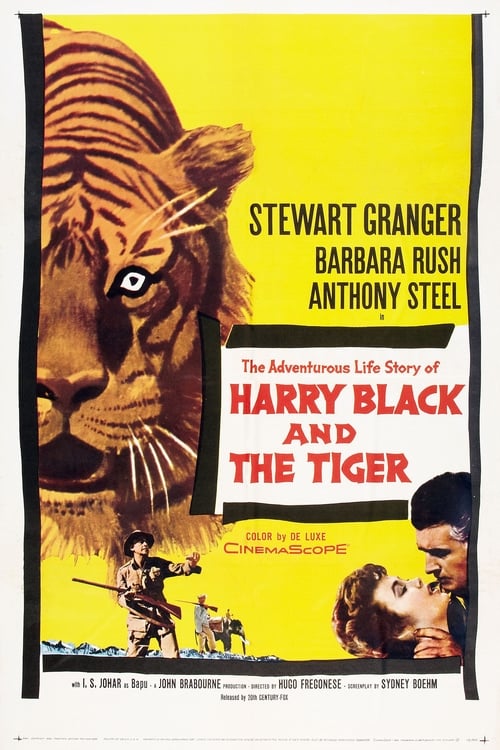
Harry Black and the Tiger is a typical mid-century adventure film that emphasizes traditional masculine heroism. Its narrative structure centers on a Western protagonist's battle against nature, limiting the depth of its social representation. The film leans on established genre clichés from the late 1950s. Although the Indian setting introduces ethnic diversity, the story appears to follow a colonial adventure model where local characters have limited influence. Overall, the film lacks complexity in representing diverse identities. It reinforces mid-century social hierarchies rather than challenging them.
Category Breakdown
The film does not include any LGBTQ+ characters or stories. It follows traditional masculine adventure themes common in the late 1950s.
The story centers on Harry Black, a skilled hunter, highlighting individual male strength and resilience. It upholds mid-century views of masculine leadership and physical toughness.
Set in India, the film likely features local characters, but they might play minor roles. The narrative seems to follow a colonial adventure model centered around a Western protagonist.
The narrative highlights the triumph of the individual over nature. It aligns with conventional Western storytelling without critiquing systemic issues.
The protagonist's injuries serve as a plot device for personal reflection. The film does not explore disability or neurodivergence in depth.
Present on Screen
Limited or Absent
Official Synopsis
In the mysterious jungle of India, Harry Black, a skilled hunter, hunts a dangerous tiger which attacked. This tiger has already claimed hundreds of victims. While recovering from his wounds will review the most important moments of his life.
1958
1965

1969
1954
1947
1996
1954
1937
No reviews yet. Be the first to share your thoughts on this movie!
Use the rating form above to leave a star rating and optional review.