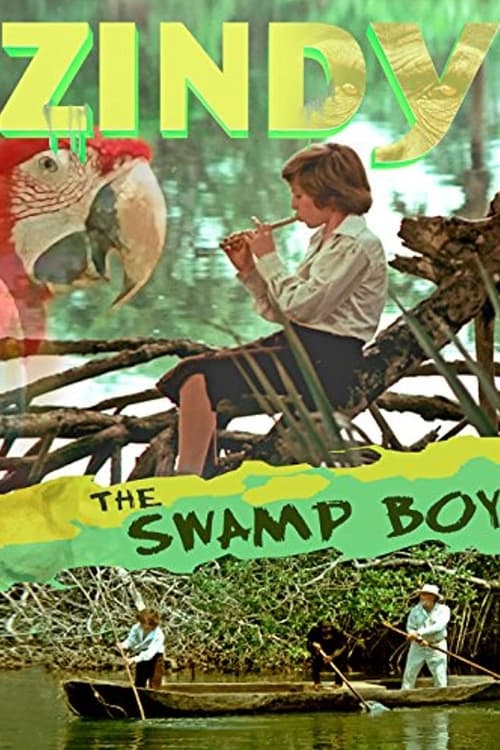
Zindy, the Swamp Boy
1973
No user ratings available yet
Representation score: 2.7 out of 10
Representation Score
Limited
1969
Not RatedDirector
René Cardona Jr.
Runtime
116 minutes
Average Rating
No ratings yetNew Showbiz Analysis
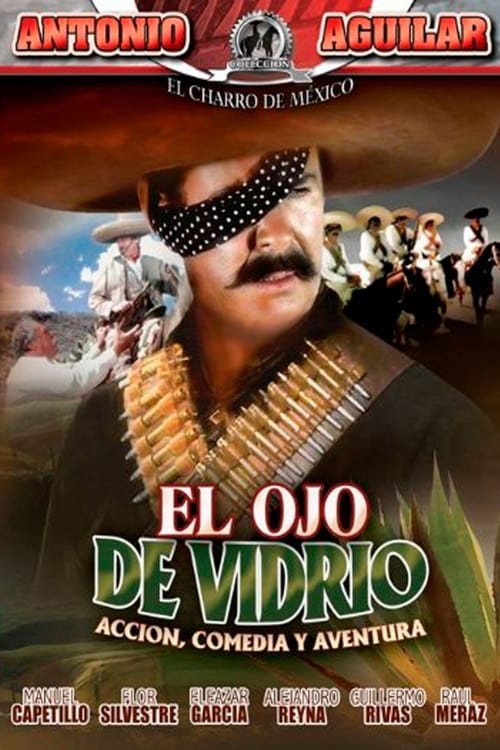
El ojo de vidrio functions as a traditional Mexican revolutionary epic, focusing on the myth-making of folk heroes. The narrative centers on Porfirio Alcalá y Buenavista and his transformation from bandit to legendary figure through the corrido tradition. The film adheres to established genre conventions of its era, emphasizing populist heroism and the struggle against landed elites. It serves more as a preservation of regional folk history than a tool for social subversion. Because the film operates within the framework of nationalist myth-making, it lacks the intentionality needed to disrupt social hierarchies or provide diverse representation.
Category Breakdown
The film does not include any queer narratives or non-straight identities. It follows traditional structures typical of 1960s revolutionary cinema, which assumes everyone is straight or cisgender.
Despite featuring prominent female actors like Flor Silvestre, the narrative emphasizes masculine control and action. Women likely play supporting roles within traditional gender hierarchies.
The cast is mainly Mexican, highlighting national identity. However, the film reinforces specific nationalist types rather than exploring complex racial dynamics involving multiple backgrounds.
The story uses the corrido tradition to celebrate folk heritage. It focuses on the conflict between peasants and landowners rather than critiquing institutional or Western influences.
There is no indication of characters with physical or neurodivergent disabilities. Such representation is not part of the narrative's focus.
Present on Screen
Limited or Absent
1973
2020
1974
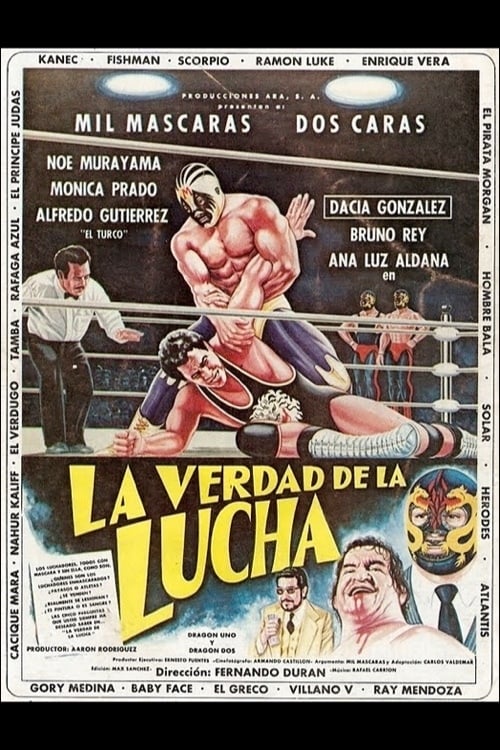
1990
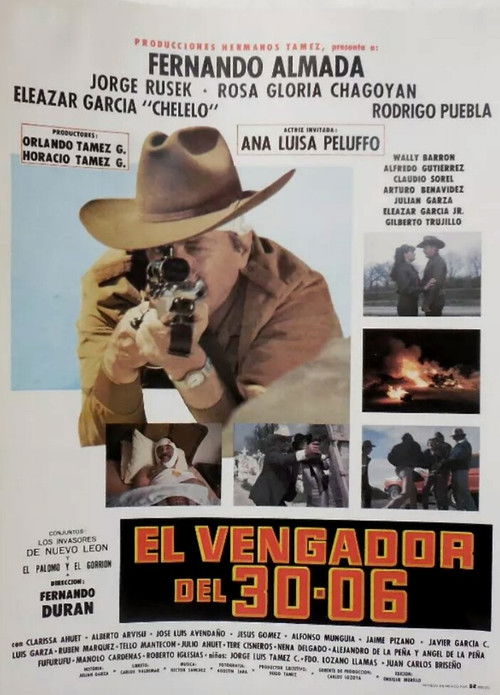
1983
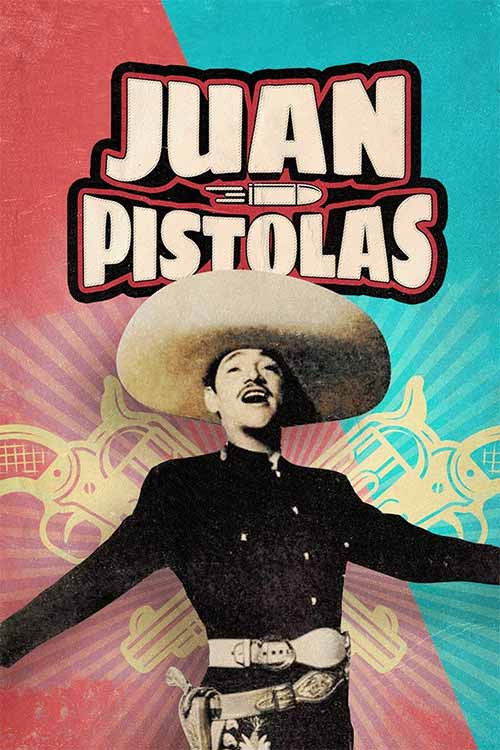
1966
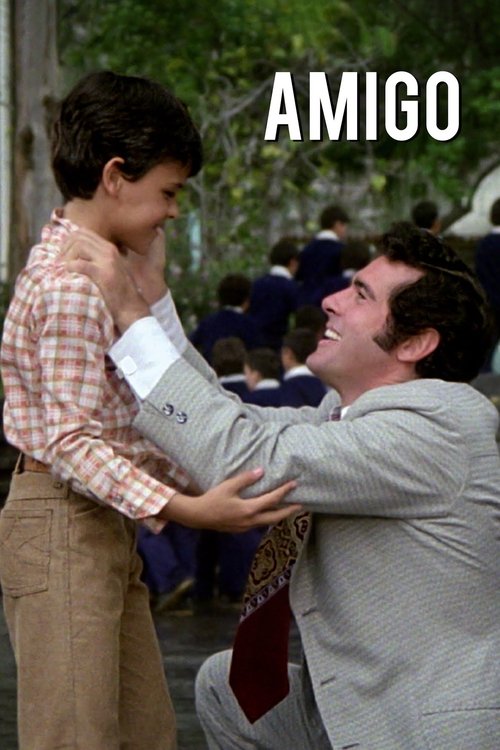
1980
1968
No reviews yet. Be the first to share your thoughts on this movie!
Use the rating form above to leave a star rating and optional review.