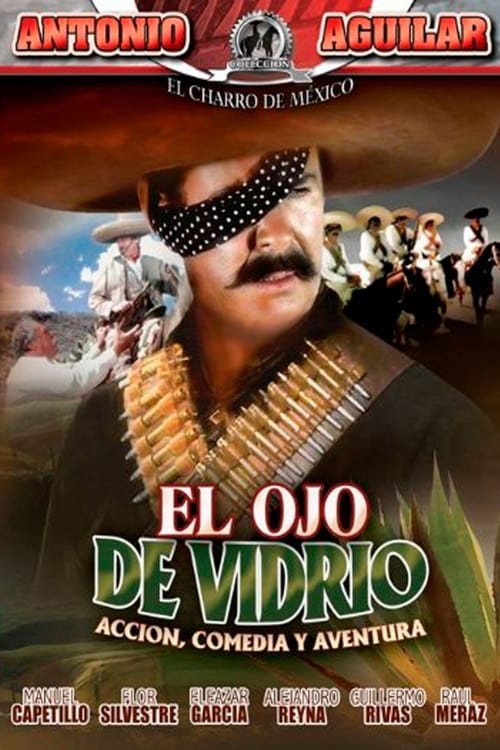
El ojo de vidrio
1969
No user ratings available yet
Diversity score: 2.7 out of 10

1971
PGDirector
Tom Laughlin
Runtime
114 minutes
Average Rating
No ratings yetSynopsis
Ex-Green Beret hapkido expert saves wild horses from being slaughtered for dog food and helps protect a desert "freedom school" for runaways.
Overall Score
Fair
Category Breakdown
LGBTQ+ Representation
The film lacks any discernible LGBTQ+ characters or non-cisnormative identities. The narrative focus remains strictly on a binary struggle between the protagonist and the local establishment.
Gender Representation
The story centers on traditional masculine archetypes and physical prowess. Female characters primarily serve as supporting figures or victims requiring protection rather than driving the plot through their own agency.
Racial & Ethnic Diversity
Meaningful representation is achieved by centering the conflict on Native American children. The indigenous community acts as the primary stakeholder in the struggle for survival against a corrupt establishment.
Religious & Cultural Diversity
The film offers a sharp critique of Western institutions, portraying local government and capitalist structures as corrupt. It frames extra-legal vigilantism as a moral necessity against systemic oppression.
Disability Representation
There is insufficient information available to evaluate the depiction of physical or neurodivergent disabilities within the film.
Strengths
Areas for Improvement
AI Analysis
Billy Jack serves as a transitional text that moves away from mid-century idealized heroism toward a more cynical, identity-focused narrative. It succeeds by aggressively critiquing institutional power and centering indigenous agency against a corrupt, capitalist-driven establishment. However, the film remains heavily tethered to traditional masculine tropes. While it disrupts social hierarchies, it does so through a lens of physical dominance and a lack of gendered agency for women. Ultimately, the film's strength lies in its post-colonial perspective and its deconstruction of the rule of law, even as it fails to provide any queer or diverse gender representation.
1969
1958
1981

1971
1970

1996

2012
1972
1951

1974
1977
No reviews yet. Be the first to share your thoughts on this movie!
Use the rating form above to leave a star rating and optional review.