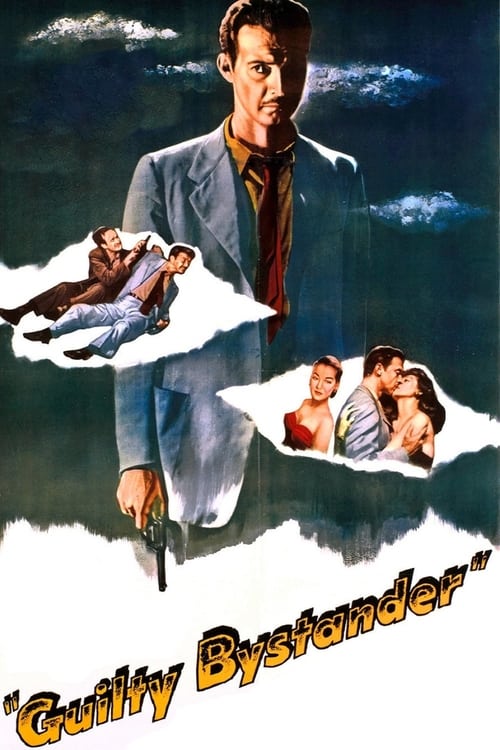
Guilty Bystander
1950
No user ratings available yet
Diversity score: 2.2 out of 10
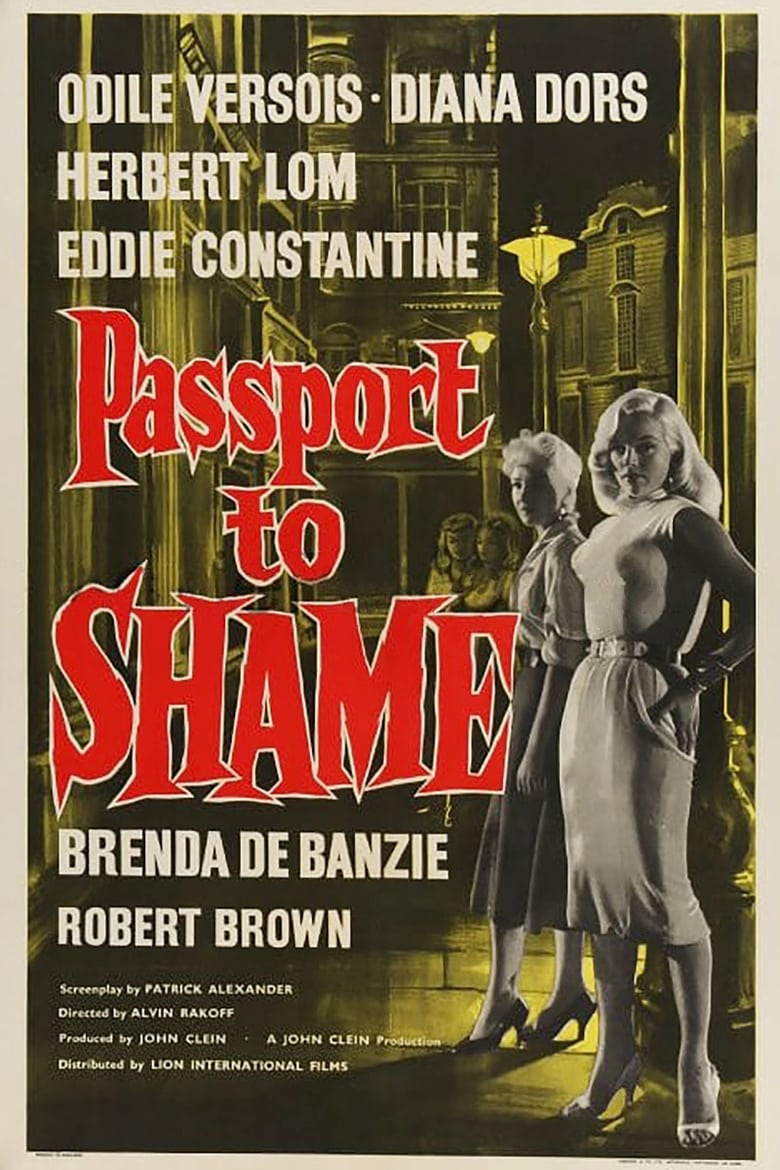
1958
NRDirector
Alvin Rakoff
Runtime
86 minutes
Average Rating
No ratings yetSynopsis
British melodrama about a cabbie befriending a girl caught up in the white slave trade.
Overall Score
Minimal
Category Breakdown
LGBTQ+ Representation
The film lacks LGBTQ+ characters or non-cisnormative identities. Interpersonal dynamics focus entirely on heteronormative social friction and traditional gender roles.
Gender Representation
While the female protagonist is the narrative center, her agency remains largely reactive to external dangers. Male characters occupy conventional roles as protectors or observers.
Racial & Ethnic Diversity
The cast appears largely homogeneous, reflecting a narrow, Western-centric social strata. There is no evidence of significant racial or ethnic diversity in the production.
Religious & Cultural Diversity
The story operates within a framework of traditional morality and singular moral structures. It does not engage in critiques of Western institutions or promote moral relativism.
Disability Representation
There is no discernible representation of physical, sensory, or neurodivergent disabilities. Characters are portrayed through standard able-bodied archetypes.
Strengths
Areas for Improvement
AI Analysis
Passport to Shame functions as a mid-century social melodrama that prioritizes moral clarity over systemic critique. The narrative follows a traditional structure where a victimized individual is aided by a protagonist, reinforcing established social hierarchies rather than challenging them. The film is a product of its 1958 historical context, adhering strictly to the era's social mores. It lacks intersectional complexity, focusing instead on individual criminality within a recognizable, conventional social order. Ultimately, the production serves as a baseline for traditionalist storytelling. It lacks the intentionality required to subvert cultural hierarchies or provide representation for marginalized groups.
1950

1952
1959
1937
1953
1951
1950

1947

1983
1936
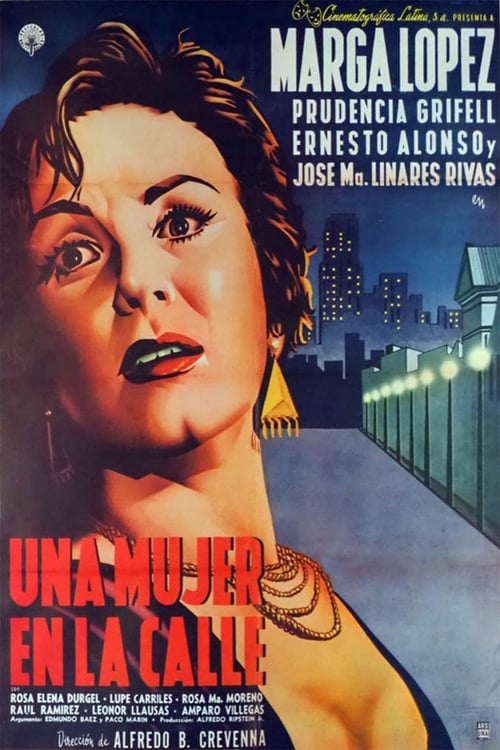
1955
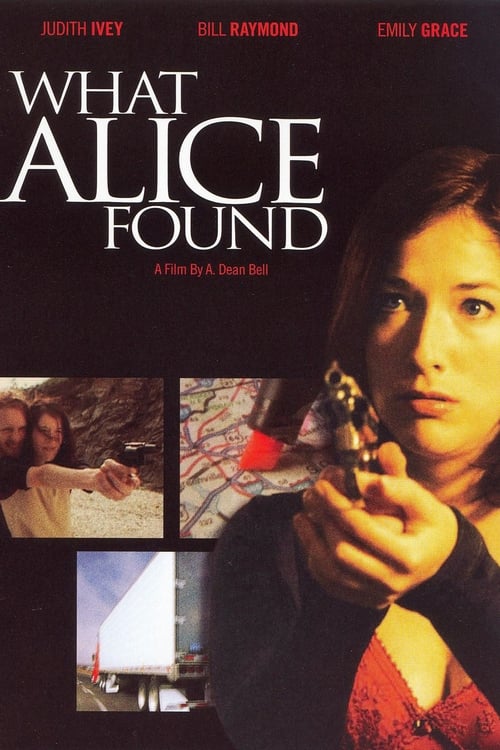
2003
No reviews yet. Be the first to share your thoughts on this movie!
Use the rating form above to leave a star rating and optional review.