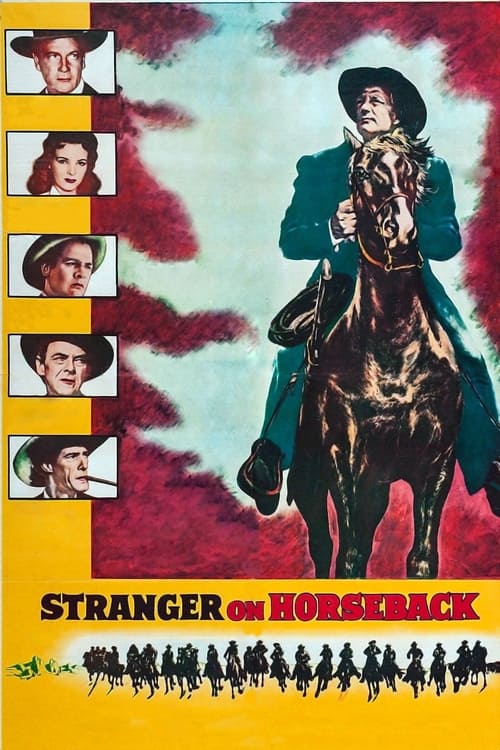
Stranger on Horseback
1955
No user ratings available yet
Diversity score: 1.9 out of 10

1946
NRDirector
Jacques Tourneur
Runtime
92 minutes
Average Rating
No ratings yetSynopsis
In 1850s Oregon, a businessman is torn between his love of two very different women and his loyalty to a compulsive gambler friend who goes over the line.
Overall Score
Limited
Category Breakdown
LGBTQ+ Representation
The film contains no identifiable LGBTQ+ characters or non-cisnormative identities. Romantic tensions are centered entirely on traditional heterosexual dynamics.
Gender Representation
Ida Lupino provides a central female lead who acts as a mediator between settlers and indigenous groups. However, male characters drive the primary conflicts regarding commerce and justice.
Racial & Ethnic Diversity
Native American tribes are present and introduce cultural conflict into the plot. Representation remains filtered through 1940s conventions, often treating indigenous characters as narrative obstacles.
Religious & Cultural Diversity
The story focuses on pioneer survival and the establishment of frontier order. It does not actively critique Western institutions or religious structures.
Disability Representation
There are no prominent depictions of visible or invisible disabilities that drive character arcs or serve as central thematic elements.
Strengths
Areas for Improvement
AI Analysis
Canyon Passage functions as a standard mid-century Western, adhering closely to the frontier mythos of the 1940s. While it avoids the most extreme caricatures of the era, it lacks the intentionality to disrupt traditional power dynamics or provide intersectional depth. The film relies on established genre tropes, centering its tension on survival and cultural friction rather than the deconstruction of systemic hierarchies. It remains a product of its time, prioritizing frontier justice over social critique.
1955

1956
1955
1950
1950
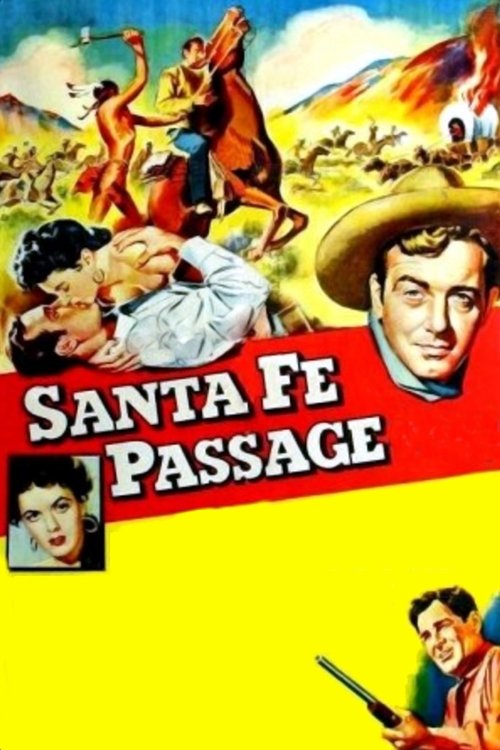
1955

1952
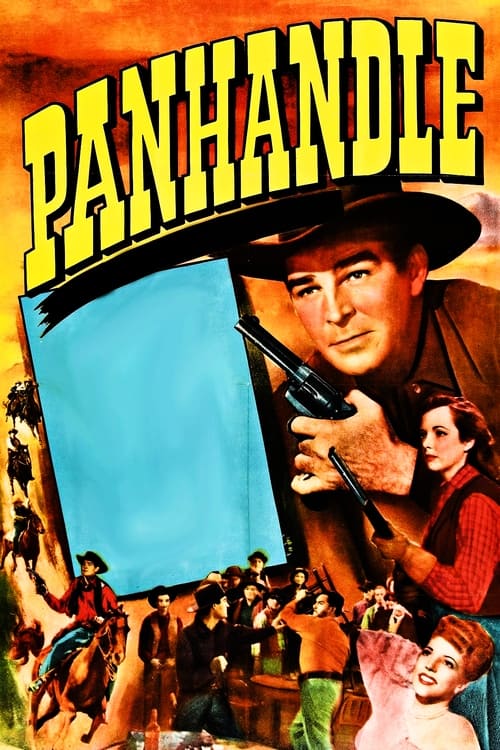
1948

1957
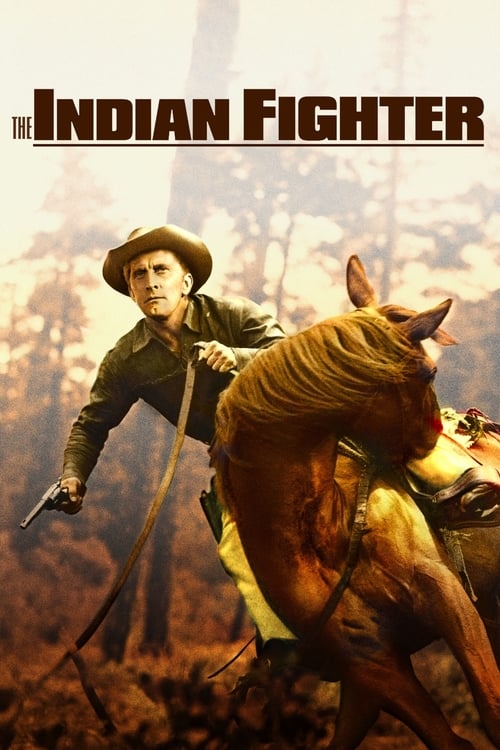
1955
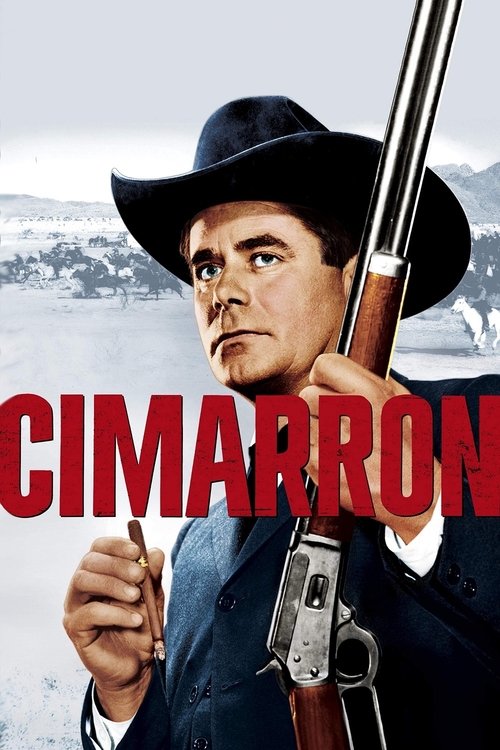
1960
1957
No reviews yet. Be the first to share your thoughts on this movie!
Use the rating form above to leave a star rating and optional review.