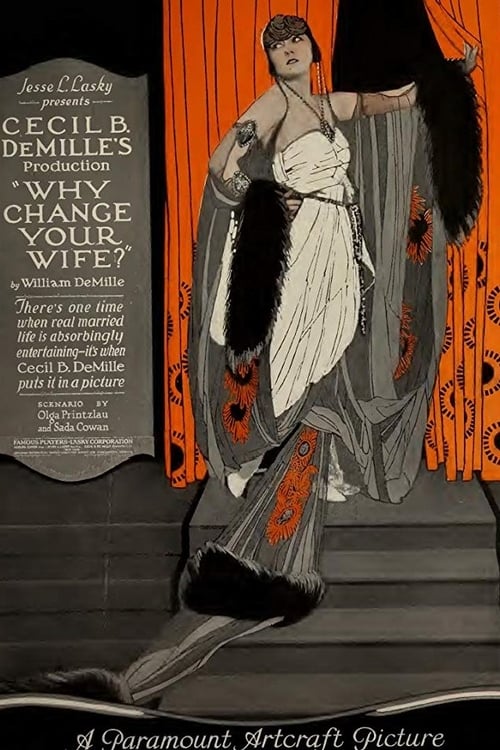
Why Change Your Wife?
1920
No user ratings available yet
Representation score: 0.8 out of 10
Representation Score
Minimal
1919
Not RatedDirector
Cecil B. DeMille
Runtime
80 minutes
Average Rating
No ratings yetNew Showbiz Analysis
Cecil B. DeMille's comedy is a period piece that prioritizes domestic melodrama over social subversion. While it offers a glimpse into early 20th-century marital friction, it lacks the complexity needed for modern characters who reflect more than one aspect of diversity. The film operates within a highly traditional framework, using the protagonist's journey to validate the nuclear family structure rather than challenging the status quo of the era. Ultimately, the work reflects the social norms of its time, focusing on middle-class social structures and reinforcing established gendered expectations.
Category Breakdown
The film focuses on a traditional heterosexual marriage and does not include any representation of LGBTQ+ identities or non-assuming gender matches what was assigned at birth gender expressions.
Leila Porter initiates a divorce, showing ability to act by taking action, but the plot ultimately reinforces traditional gender roles and domestic hierarchies.
The cast appears uniform, reflecting the cinematic norms of 1919, and there is no evidence of racial blending in the setting.
The story adheres to conventional Western social structures, emphasizing the stability of the marital unit and presenting morality through traditional social consequences.
There is no depiction of characters with visible or invisible disabilities, and the focus remains on the interpersonal dynamics of the central couple.
Present on Screen
Limited or Absent
Official Synopsis
Leila Porter comes to dislike her husband James, a glue king who is always eating onions and looking sloppy. But after she divorces him and marries two-timing playboy Schuyler Van Sutphen the now-reformed James looks pretty good.
1920

1915
1917

1934
1928
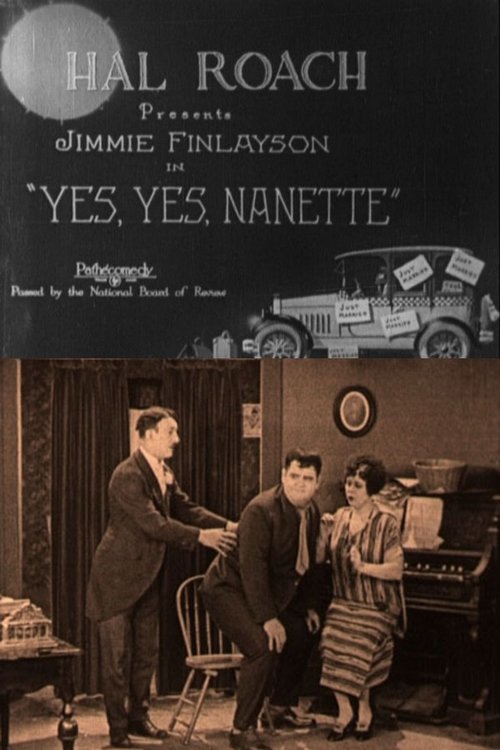
1925
1945
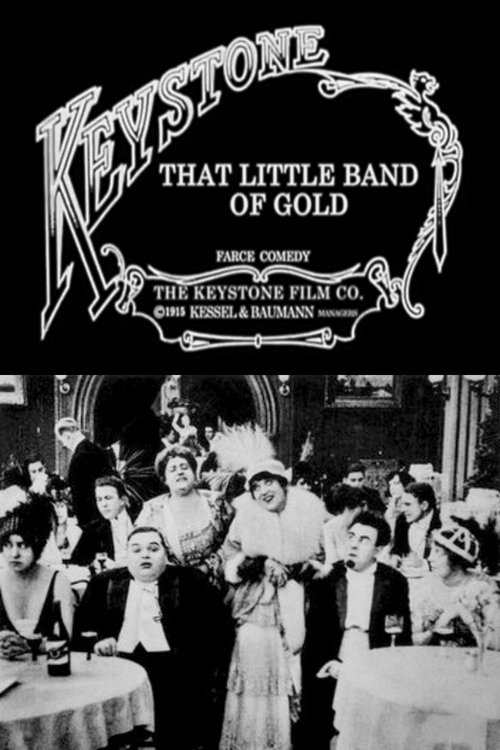
1915
No reviews yet. Be the first to share your thoughts on this movie!
Use the rating form above to leave a star rating and optional review.