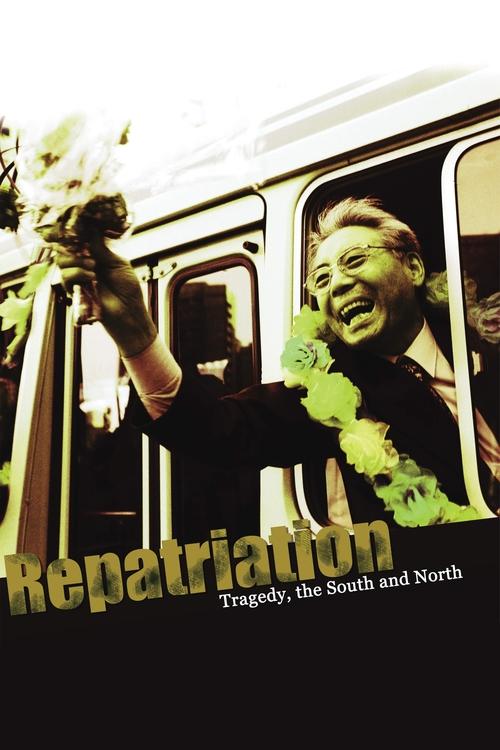
Repatriation
2004
No user ratings available yet
Representation score: 8.1 out of 10

Representation Score
Good
2015
Director
Sung Hyung Cho
Runtime
90 minutes
Average Rating
No ratings yetNew Showbiz Analysis
Sung Hyung Cho’s documentary provides a nuanced examination of the human impact of geopolitical changes. By focusing on the intersection of Korean and German identities, the film challenges the historical uniformity of mid-century Europe. The narrative stands out by centering the experiences of women who navigate single motherhood and interracial relationships, moving away from traditional patriarchal structures. While the film excels in racial and cultural depth, it falls short in representing LGBTQ+ identities and disability issues. It primarily explores the complexities of straight-centered, multi-ethnic connections influenced by systemic political pressures.
Category Breakdown
The film centers on heterosexual relationships between North Korean students and German citizens. It does not include explicit depictions of LGBTQ+ identities or non-binary gender roles.
The narrative emphasizes the resilience and autonomy of GDR women as they face single motherhood and interracial relationships. It disrupts traditional gender hierarchies by highlighting their ability to act.
The documentary showcases the lived experiences of mixed-race families, centering both Korean and German identities within a predominantly white European context.
The film critiques the rigid geopolitical systems by focusing on personal love stories that conflict with institutional demands of socialist regimes. It prioritizes human experiences over state narratives.
There is no significant depiction of physical or neurodivergent disabilities in this work.
Present on Screen
Limited or Absent
Official Synopsis
In 1952, while the Korean War was still raging, the rulers of North Korea sent hand-picked students to other socialist countries to be trained there and later use their newly acquired knowledge to rebuild their destroyed homeland on their return. The majority of them ended up in the GDR, where they soon found their way around the German language and culture. During their stay, many of the North Korean students also met young women with whom they fell in love and with whom they eventually had children. But when the young men were ordered back to their homeland in the early 1960s, some of the newly formed families were left behind. The story of those left behind is told in "In love, engaged, lost".
2004
2015
2009

2017
2006

2015
2017

2006
No reviews yet. Be the first to share your thoughts on this movie!
Use the rating form above to leave a star rating and optional review.