
Crossing the Line
2006
No user ratings available yet
Representation score: 3.7 out of 10
Representation Score
Excellent
2004
Director
Kim Dong-won
Runtime
149 minutes
Average Rating
No ratings yetNew Showbiz Analysis
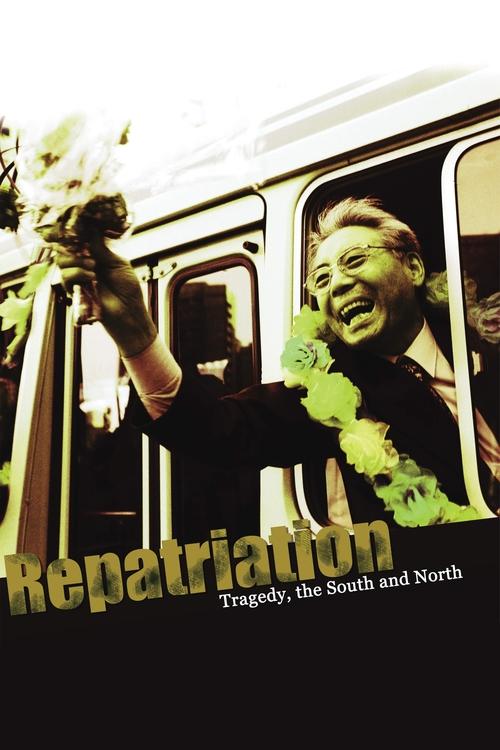
Repatriation is a profound deconstruction of nationalistic identity that prioritizes humanistic inquiry over sensationalism. By focusing on the systemic harm experienced by individuals underrepresented by the Cold War, the film offers a sophisticated critique of state authority. While the film lacks contemporary identity politics regarding gender and LGBTQ+ representation, it excels in exploring the fractures of ethnic identity and the physical realities of trauma. It moves beyond superficial reportage to examine deep-seated structural trauma. Ultimately, the film's value lies in its refusal to uphold the sanctity of political institutions, instead centering the human cost of institutional oppression and the struggle for reintegration.
Category Breakdown
The film focuses on the political and existential realities of North Korean prisoners. There are no explicit LGBTQ+ character arcs or stories that challenge the assumption that everyone is straight.
The narrative centers on the political prisoner experience, which often emphasizes male-dominated spheres. There is insufficient evidence regarding the roles of women or challenges to gender hierarchies.
The film explores ethnic identity within a divided nation. It disrupts monolithic views of Korean identity by highlighting the lived experiences of those caught between competing nationalistic structures.
The work critiques traditional state institutions and the legitimacy of political systems. It prioritizes individual truths over the nationalist narratives of the government.
The documentary provides a study of psychological and physical trauma from systemic violence. It treats the long-term effects of state-inflicted torture with dignity and respect.
Present on Screen
Limited or Absent
Official Synopsis
In 1992, political prisoners from North Korea settled in the South Korean town where filmmaker Dong-won Kim lived. Sent to South Korea as spies during the war, they spent 30 years in jail. How did they endure the many years of torture? What will become of them now that they have been released? Twelve years in the making, Repatriation is a very personal view of a country divided by an ongoing cold war.
2006
2015

2012
2020

2017

2015

2012
2010
No reviews yet. Be the first to share your thoughts on this movie!
Use the rating form above to leave a star rating and optional review.