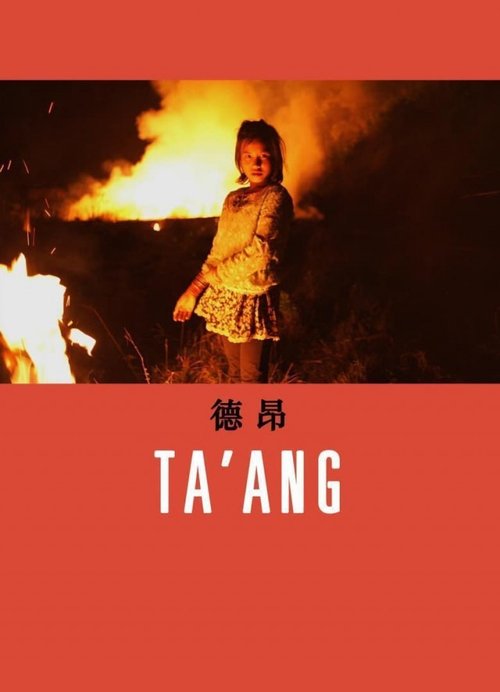
Ta'ang
2016
No user ratings available yet
Diversity score: 8.3 out of 10
2006
Director
Yang Yong-hi
Runtime
107 minutes
Average Rating
No ratings yetSynopsis
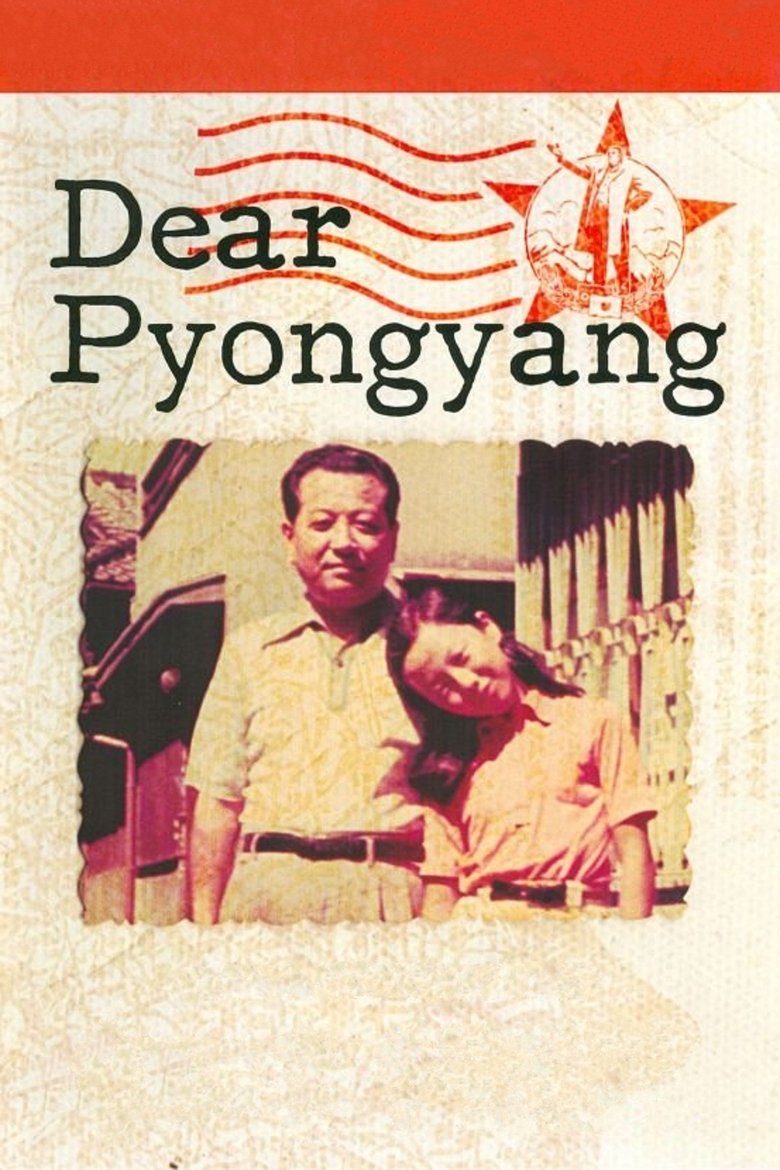
Dear Pyongyang is a documentary film by Zainichi Korean director Yang Yong-hi (Korean: 양영희, Hanja: 梁英姬) about her own family. It was shot in Osaka Japan (Yang's hometown) and Pyongyang, North Korea, In the 1970s, Yang's father, an ardent communist and leader of the pro-North movement in Japan, sent his three sons from Japan to North Korea under a repatriation campaign sponsored by ethnic activist organisation and de facto North Korean embassy Chongryon; as the only daughter, Yang herself remained in Japan. However, as the economic situation in the North deteriorated, the brothers became increasingly dependent for survival on the care packages sent by their parents. The film shows Yang's visits to her brothers in Pyongyang, as well as conversations with her father about his ideological faith and his regrets over breaking up his family.
Overall Score
Good
Category Breakdown
LGBTQ+ Representation
The film lacks explicit LGBTQ+ characters or narratives. The story focuses primarily on familial and political tensions stemming from the repatriation experience.
Gender Representation
The documentary centers a female gaze to critique displacement. It observes rigid North Korean gender roles through the lens of a daughter left behind in Japan.
Racial & Ethnic Diversity
The film offers a profound look at the Zainichi Korean experience. It avoids Western-centric perspectives by focusing on the socio-political realities of ethnic Koreans in Japan and North Korea.
Religious & Cultural Diversity
The narrative examines the lived reality of a closed, non-capitalist society. It contrasts state propaganda with the subjective, humanistic experiences of a family caught in ideological shifts.
Disability Representation
No visible or invisible disabilities are central to the narrative arc.
Strengths
Areas for Improvement
AI Analysis
Yang Yong-hi’s documentary is a sophisticated study of identity and displacement. It moves beyond simple political binaries to examine how state-mandated ideologies, like the repatriation movement, fracture the family unit. The film excels by centering the Zainichi Korean experience, providing a rare, non-Western perspective on ethnic nationalism. By focusing on the emotional labor of the filmmaker, it deconstructs traditional patriarchal roles and highlights the survival strategies of those on the periphery of geopolitical shifts. While the film lacks LGBTQ+ or disability representation, its deep dive into ethnic and cultural complexity makes it a vital piece of documentary cinema.
2016

2010
2010
2015

1969
2012

2011
2002
2020
2017
2005

1934
No reviews yet. Be the first to share your thoughts on this movie!
Use the rating form above to leave a star rating and optional review.