
Kaiserwalzer
1953
No user ratings available yet
Representation score: 0.3 out of 10
Representation Score
Minimal
1940
ApprovedDirector
Carmine Gallone
Average Rating
No ratings yetNew Showbiz Analysis
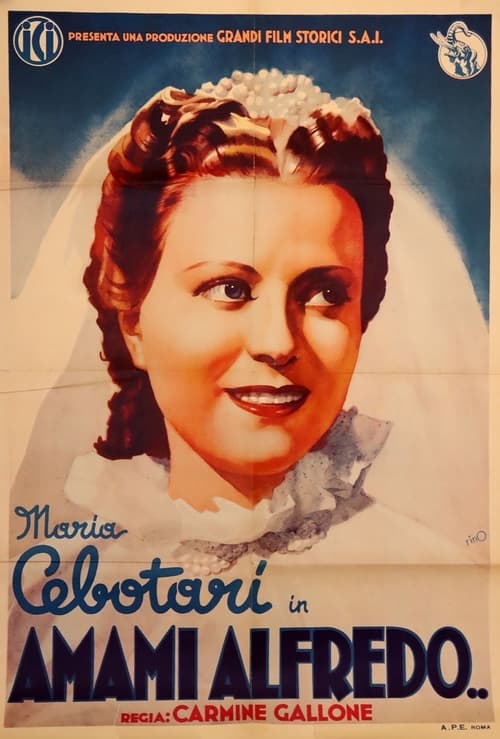
Amami, Alfredo! is a quintessential product of its era, functioning within the rigid social and cinematic constraints of 1940s Italian melodrama. The film prioritizes classical narrative structures and conventional romantic archetypes over any attempt to challenge systemic norms. Representation is largely homogeneous, reflecting the period's standard demographic and cultural expectations. The film reinforces traditional hierarchies regarding gender, religion, and national identity rather than challenging them. Ultimately, the work lacks the intentionality required to incorporate diverse identities or disrupt the established social pillars of the time.
Category Breakdown
The film does not include any queer narratives or non-cisgender identities. It relies on the traditional romantic structures typical of 1940s melodrama.
Female characters often have significant emotional ability to act but are primarily defined by their relationships with men. The narrative reinforces traditional gender roles and romantic archetypes.
Casting reflects the homogeneous demographics of 1940s Italy. There is no evidence of diverse or non-European casting to disrupt standard practices.
The story aligns with established social pillars like family and religious morality. It lacks any anti-establishment or secularist frameworks.
There is no confirmed evidence of characters with physical or neurodivergent disabilities. No specific portrayals are documented within the narrative.
Present on Screen
Limited or Absent
1953
1957

1949
1945
1948
1952
1942
1932
No reviews yet. Be the first to share your thoughts on this movie!
Use the rating form above to leave a star rating and optional review.