Battle of the Coral Sea
1959
No user ratings available yet
Representation score: 0.2 out of 10

Representation Score
Limited
1956
NRDirector
Jack Lee
Runtime
117 minutes
Average Rating
No ratings yetNew Showbiz Analysis
A Town Like Alice highlights the empowerment of its female protagonist, challenging the passive female roles typical of 1950s cinema. However, the film's focus remains narrow, centered on the Western experience and Anglo-Saxon perspectives. The narrative lacks engagement with diverse racial and cultural backgrounds, focusing instead on traditional social frameworks. While it celebrates Western resilience, it does not address broader issues of racial or colonial hierarchies.
Category Breakdown
The film follows traditional mid-century standards and does not include any non-straight or non-cisgender identities. The romantic storyline focuses solely on a traditional heterosexual relationship.
Jean Paget stands out due to her strong role and physical resilience. She avoids being portrayed as helpless by navigating survival and managing a remote sheep station.
The cast is primarily composed of white and Anglo-Saxon actors, reflecting the film's historical context. The story focuses on British and Australian subjects without offering a multicultural perspective.
The story emphasizes Western values such as duty and the restoration of social order. It celebrates the preservation of Western domesticity and economic structures like the Australian sheep station.
Wartime trauma and physical hardship are used as markers of survival. These elements serve as symbols of historical struggle rather than detailed explorations of specific physical or mental health conditions.
Present on Screen
Limited or Absent
Official Synopsis
In 1941 Malaysia, the advancing Japanese army captures a lot of British territory very quickly. The men are sent off to labor camps, but they have no plan on what to do with the women and children of the British.
1959
1958
1952

1955
1943
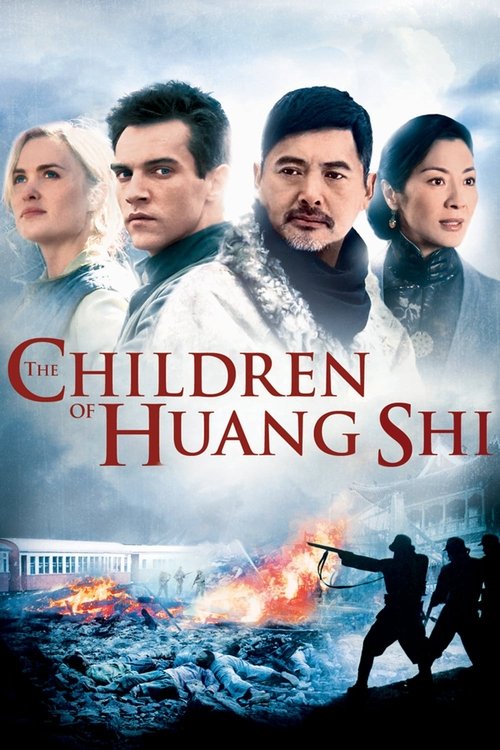
2008
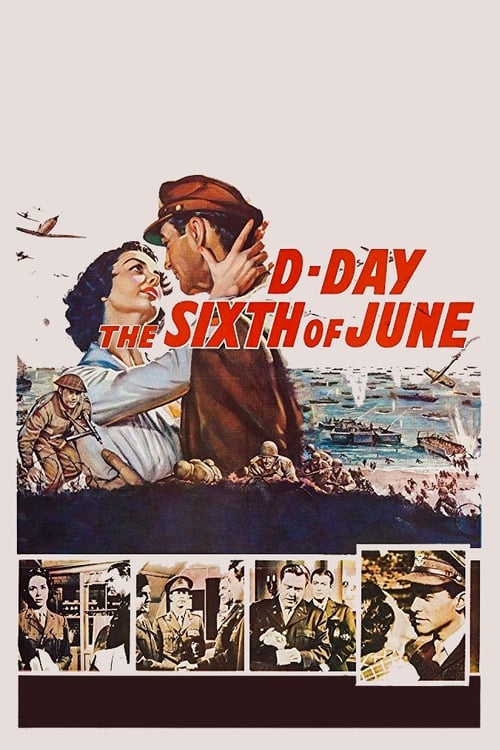
1956
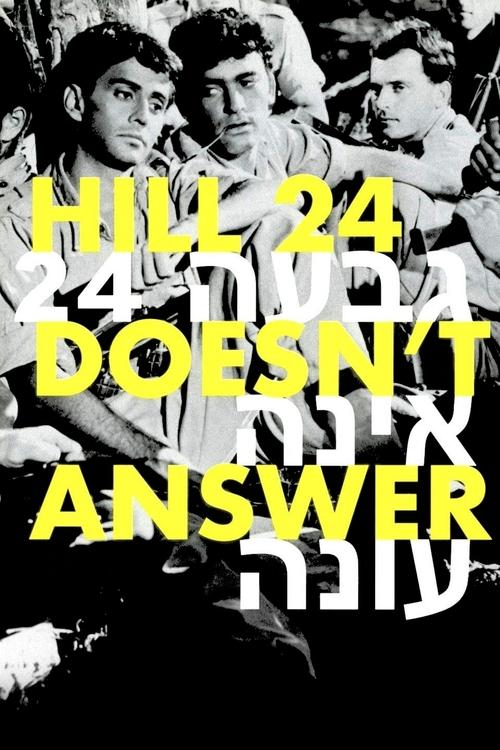
1955
No reviews yet. Be the first to share your thoughts on this movie!
Use the rating form above to leave a star rating and optional review.