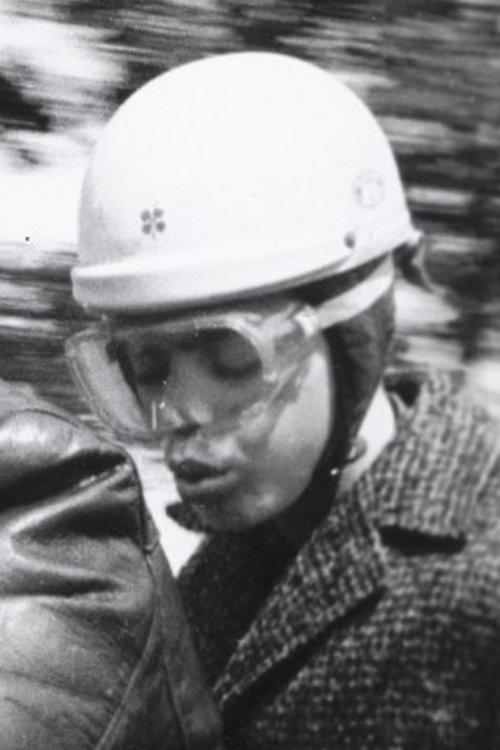
Blind Child 2
1966
No user ratings available yet
Representation score: 2.2 out of 10
Representation Score
Fair
1964
Director
Johan van der Keuken
Runtime
25 minutes
Average Rating
No ratings yetNew Showbiz Analysis
Johan van der Keuken’s documentary is a sophisticated study of sensory experience that prioritizes the subjective lives of its subjects. By utilizing montage and child-led voiceovers, the film moves away from an external observer's gaze to reconstruct a world defined by sightlessness. The work is most successful in its disability representation, where it avoids common clichés of pity. Instead, it grants children ability to act, allowing their unique perspectives to drive the narrative structure. While the film is a progressive contribution to the documentary form, it lacks explicit data regarding racial, ethnic, or LGBTQ+ representation. The focus remains strictly on the sensory reality of disability.
Category Breakdown
The film focuses on the sensory experiences of children rather than sexual orientation. There is no explicit depiction of LGBTQ+ themes or non-straight relationships.
The film centers on the shared condition of sightlessness among children. It does not provide specific evidence of gendered power dynamics or the subversion of traditional gender hierarchies.
There is insufficient information to determine the racial or ethnic composition of the children featured. No specific details regarding the ethnic background of the children are confirmed.
The film challenges documentary norms by prioritizing individual perception over an authoritative narrator. Centering children's voices grants them a significant role in driving the narrative.
The documentary excels by avoiding common clichés of pity and instead using artistic expression to grant subjects ability to act. It centers the sightless experience through their own observations to disrupt traditional power dynamics.
Present on Screen
Limited or Absent
Official Synopsis
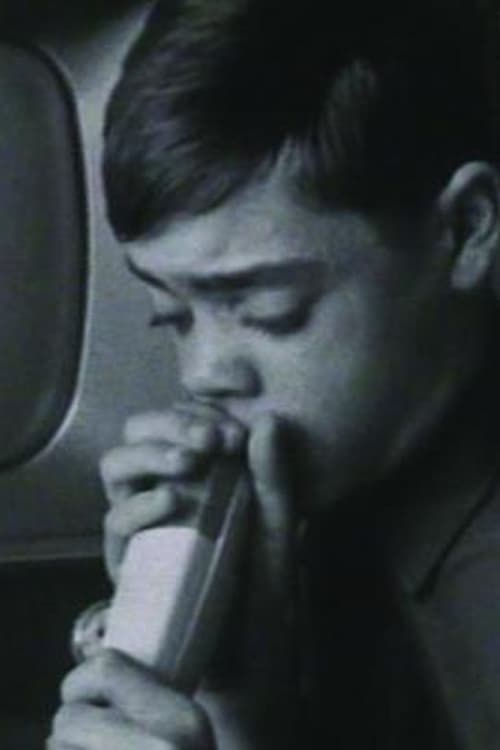
With the use of montage sequences, voiced over with the observations of the children, van der Keuken was able to use artistic expression to portray the sightless children’s unique perspective of the world.
1966

2010

1992
2004

1971
1954
1965
1992
No reviews yet. Be the first to share your thoughts on this movie!
Use the rating form above to leave a star rating and optional review.