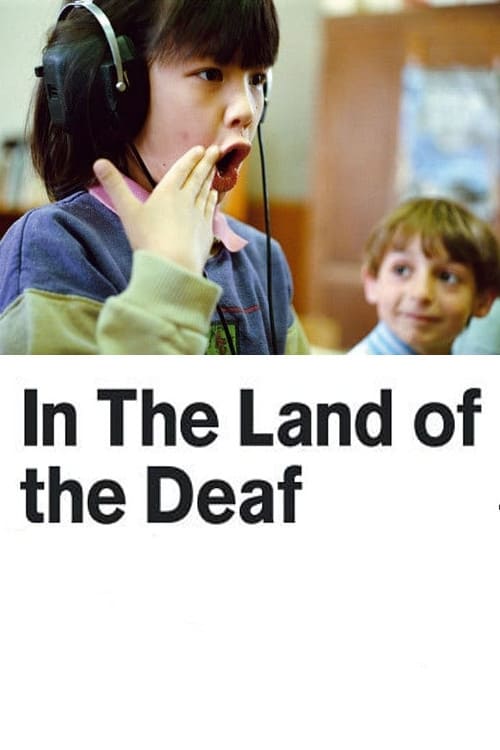
In the Land of the Deaf
1992
No user ratings available yet
Representation score: 7.9 out of 10

Representation Score
Limited
1971
Not RatedDirector
Werner Herzog
Runtime
85 minutes
Average Rating
No ratings yetNew Showbiz Analysis
Werner Herzog’s documentary is a profound study of sensory isolation that prioritizes internal reality over traditional storytelling. It excels through its sophisticated and dignified treatment of disability, avoiding sentimentalism. However, the film lacks demographic breadth, focusing strictly on a singular, localized experience without significant racial, ethnic, or LGBTQ+ representation. While the gender perspective centers on a female protagonist, it does not engage in broader social critiques of gender hierarchies. Ultimately, the work is a specialized exploration of human perception, trading wide-ranging social diversity for a deep, nuanced investigation into the limits of communication and the autonomy of the sensory-impaired experience.
Category Breakdown
The film does not include any LGBTQ+ characters or narratives. It focuses solely on the physical and existential experiences of sensory deprivation.
The story centers around a woman's unique cognitive processes. While it avoids traditional patriarchal leadership, it does not actively challenge gender roles through social conflict.
This is an intimate, localized study set within a European context. There is no significant presence of racial or ethnic diversity within the film.
The film adopts a secular, existential view of the human condition. It critiques standard social institutions by focusing on the breakdown of communication and societal integration.
This is an exceptional, ability to act-driven study of disability. It avoids sentimentality, treating the protagonist's sensory experience as a complex, valid, and autonomous way of being.
Present on Screen
Limited or Absent
Official Synopsis
Through examining Fini Straubinger, an old woman who has been deaf and blind since her teens, and her work on behalf of other deaf-blind people, this film shows how the deaf-blind struggle to understand and accept a world from which they are almost wholly isolated.
1992
2016

1954
1978
2019

2005
1971
1962
No reviews yet. Be the first to share your thoughts on this movie!
Use the rating form above to leave a star rating and optional review.