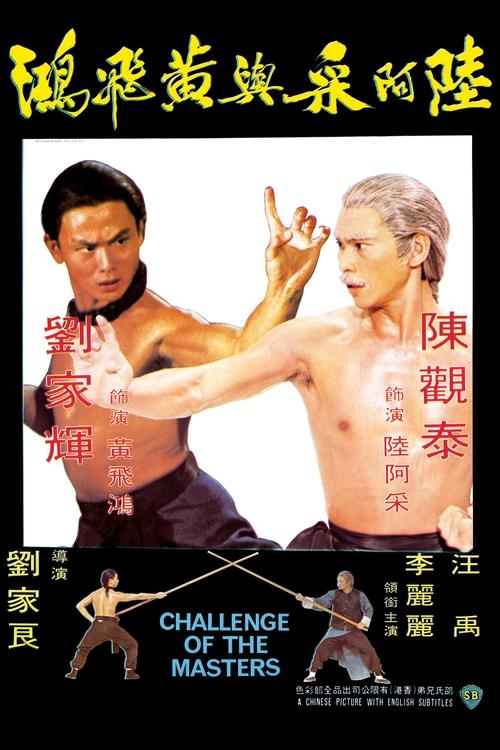
Challenge of the Masters
1976
No user ratings available yet
Representation score: 1.3 out of 10

Representation Score
Minimal
1972
RDirector
Huang Feng
Runtime
97 minutes
Average Rating
No ratings yetNew Showbiz Analysis
Hapkido (1972) is a traditional martial arts drama that emphasizes physical mastery and the defense of institutional honor. The narrative follows a typical hero's journey, focusing on the competence of male characters while ignoring complex social identities. While the film provides a culturally specific lens by avoiding Western-centric perspectives, it remains rooted in the patriarchal and traditionalist themes of its time. It lacks the layered representation or critical examination of modern cinema. Ultimately, the film centers on individual merit and combat, offering limited engagement with diverse social or identity-based perspectives.
Category Breakdown
The film centers on traditional masculine roles and martial arts competitions. It does not include any characters with non-conforming gender identities or challenge the idea that everyone is straight.
The story focuses on male characters who drive the plot through combat. It reinforces traditional gender roles by highlighting male strength and leadership.
The narrative explores tensions within an Asian community, avoiding a white-centric perspective. However, it frames conflict through traditional ethnic rivalries.
The story emphasizes traditional values such as honor and discipline. It defines justice through physical discipline and institutional authority.
The film does not include any characters with visible or invisible disabilities. The focus on physical perfection excludes the representation of impairment or neurodivergence.
Present on Screen
Limited or Absent
Official Synopsis
Yu Ying, Kao and Fan return to China to start a martial arts school but are bullied by the Japanese competitor who runs the Black Bear school. The harassment leads to intense conflicts between them.
1976

1972
1977
1967
1973
1978
1973

1970
No reviews yet. Be the first to share your thoughts on this movie!
Use the rating form above to leave a star rating and optional review.