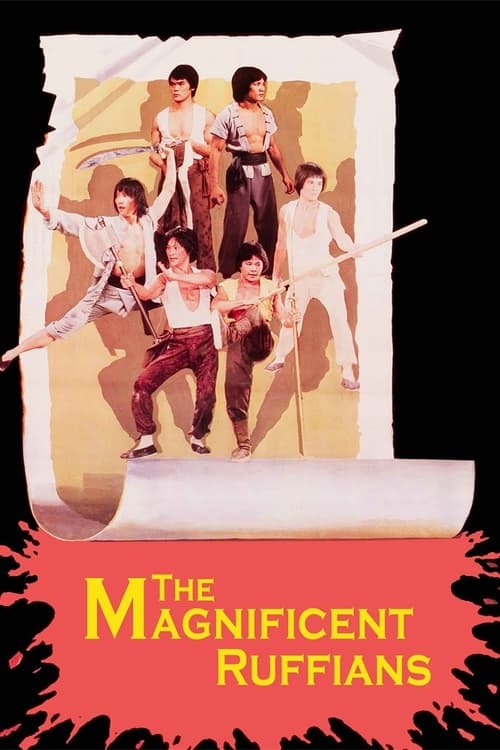
The Magnificent Ruffians
1979
No user ratings available yet
Representation score: 3.6 out of 10
Representation Score
Limited
1974
Director
Chang Cheh
Runtime
104 minutes
Average Rating
No ratings yetNew Showbiz Analysis
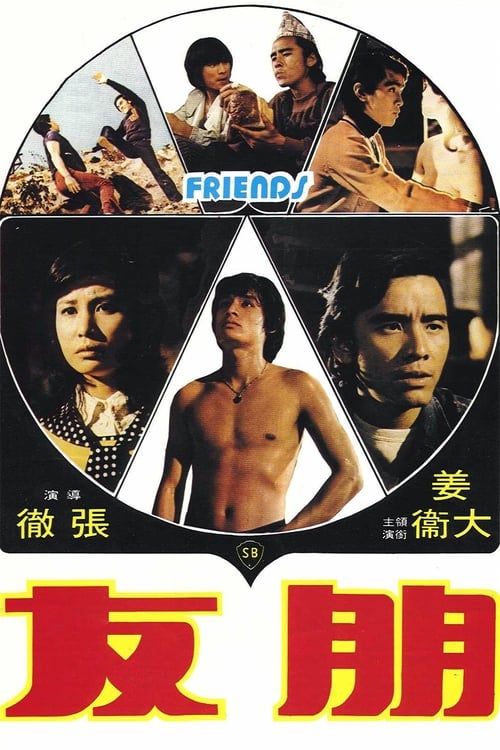
Chang Cheh’s *Friends* is a powerful exploration of masculine camaraderie and the harsh realities of socioeconomic struggle. It excels in portraying the intensity of male-centric social bonds and the dignity of the impoverished. However, the film adheres to strict traditional hierarchies. The narrative is dominated by male protagonists, relegating female characters to reactive roles. The emphasis on physical prowess leaves little room for diverse representations of identity or disability. Overall, the film upholds traditional archetypes while offering a nuanced look at class-based struggles. However, it does not challenge straight-centered structures or institutional authority.
Category Breakdown
The film does not feature any LGBTQ+ narratives or characters with non-straight identities. Male bonding is emphasized through platonic brotherhood and loyalty rather than sexual identity.
The story centers around a traditional masculine hierarchy where male characters play active roles. Female characters like Gao Xin are shown reacting to socioeconomic pressures rather than driving the plot themselves.
The film showcases a culturally homogeneous Cantonese cast typical of Shaw Brothers productions. It offers an authentic glimpse into Chinese social strata and class-based identity without considering multiple racial backgrounds.
The story revolves around personal codes of honor and vengeance that override legal authority. It emphasizes traditional notions of brotherhood rather than modern secularism or systemic critiques.
There is no depiction of characters with disabilities having real control over their actions. The focus remains on the physical perfection and martial abilities of the main characters.
Present on Screen
Limited or Absent
Official Synopsis
Hua Heng is a poverty-stricken aspiring painter whose day job involves painting the ads that go up on the sides of buildings. He and his buddies hang out in a makeshift gym set up in an abandoned building where they train and practice kung fu. His girlfriend is Gao Xin, a bar maid who is in debt to loan sharks. Into their lives comes Jiaji, who happens upon Hua Heng in a street fight with local thugs who'd made fun of the painting he's carrying and decides to help him out.
1979
1967
1979
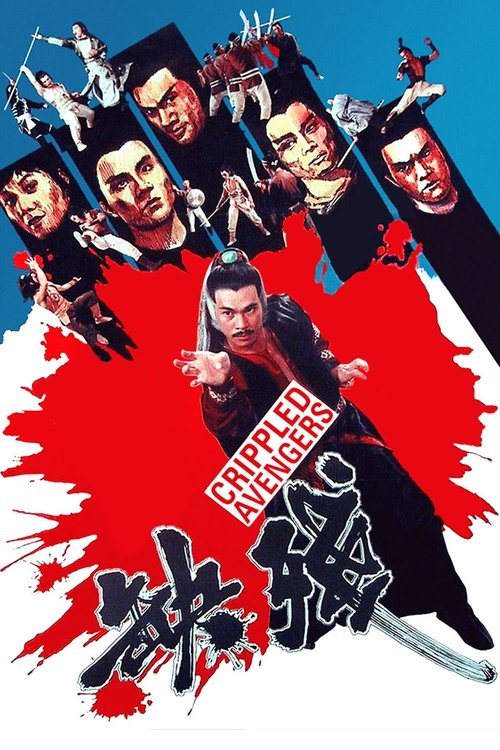
1978
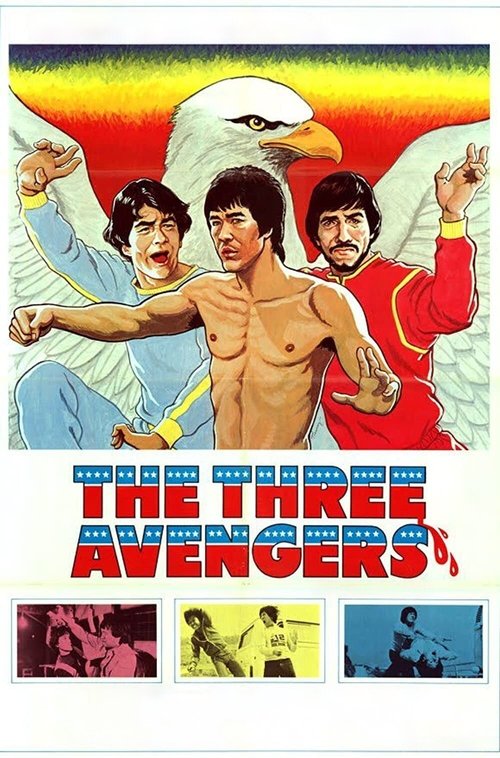
1979
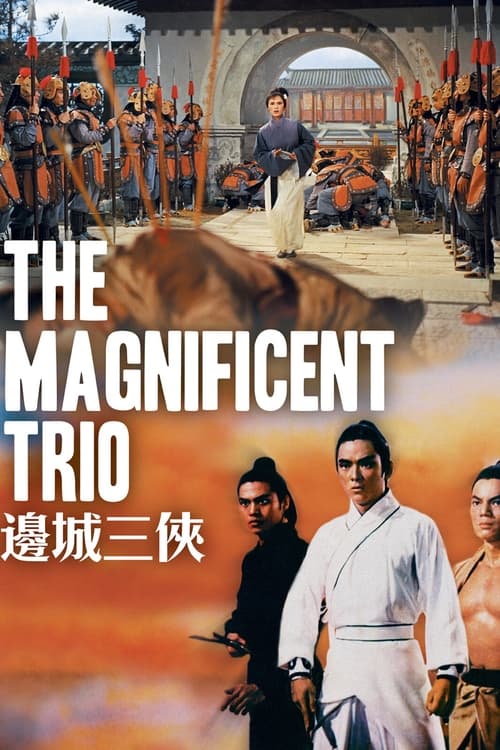
1966
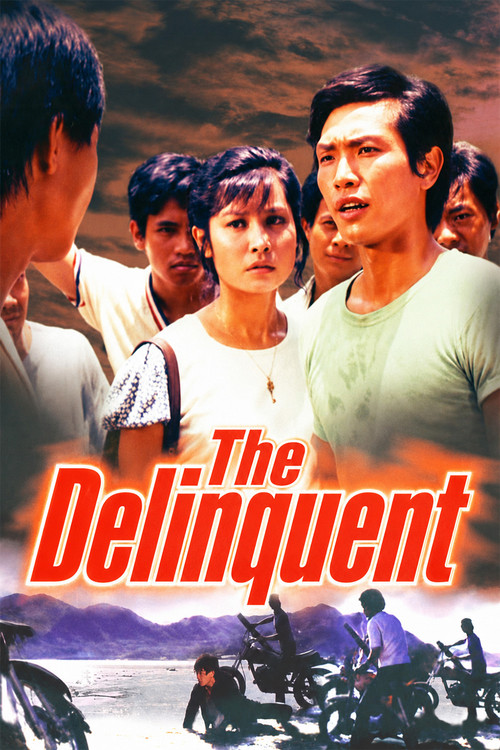
1973
1970
No reviews yet. Be the first to share your thoughts on this movie!
Use the rating form above to leave a star rating and optional review.