Fighter in the Wind
2004
No user ratings available yet
Representation score: 2.9 out of 10
Representation Score
Minimal
2007
Not RatedDirector
Shunichi Nagasaki
Runtime
95 minutes
Average Rating
No ratings yetNew Showbiz Analysis
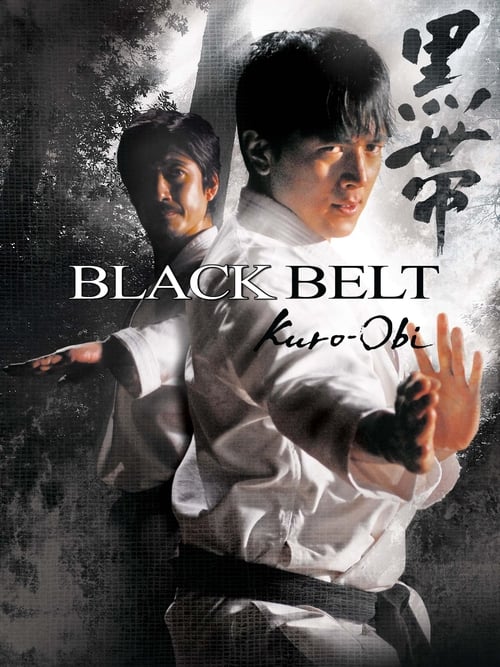
Black Belt is a traditional period drama that adheres to established historical hierarchies. The narrative structure prioritizes conventional masculine archetypes and martial arts discipline over diverse perspectives. While the 1932 setting provides a backdrop of geopolitical tension involving Japanese militarism and occupied territories, the film's internal focus remains on a homogeneous group of male practitioners. This results in a narrow perspective that lacks diverse character's ability to drive the story. The film functions as a study of tradition versus state overreach, but it does not seek to challenge social norms or provide representation for underrepresented identities.
Category Breakdown
The film does not include any LGBTQ+ characters or narratives. It focuses on martial arts discipline within a 1932 historical setting.
The story centers on a male-dominated dojo and an aging male master. It reinforces traditional masculine hierarchies and martial archetypes.
The cast appears ethnically homogeneous. Set against the backdrop of Japanese imperialism in Manchukuo, the central characters lack diverse ability to act.
The narrative aligns with traditional values of honor and discipline. It depicts a conflict between a local dojo and state military institutions.
There is no evidence of characters with physical or neurodivergent disabilities. The focus remains on the physical prowess of the karateka.
Present on Screen
Limited or Absent
Official Synopsis
Set in 1932, amid the rise of militarism after the establishment of the Manchukuo colony in Northeast China, the story centers on a trio of karateka. Studying under their aging master in a small dojo in the woods of central Kyushu, Choei, Taikan and Giryu face a company of kempeitai military police come to requisition their dojo for use as a military base.
2004

1964
1974
1991
1980
1973

1965
2011
No reviews yet. Be the first to share your thoughts on this movie!
Use the rating form above to leave a star rating and optional review.