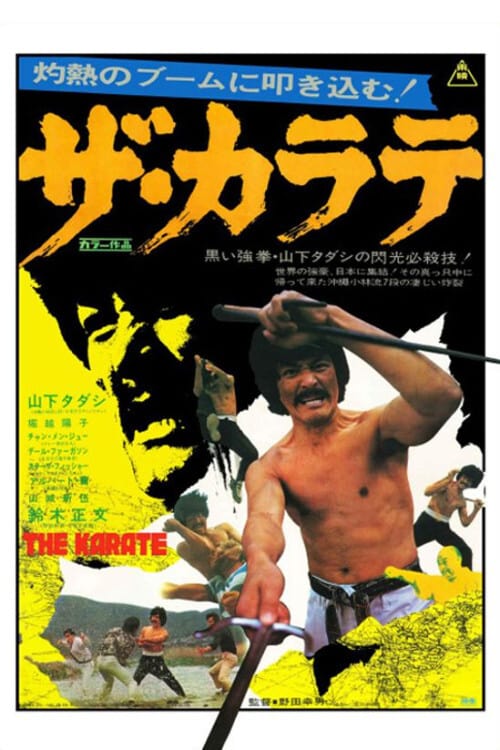
The Karate
1974
No user ratings available yet
Representation score: 2.0 out of 10

Representation Score
Limited
1970
RDirector
Jimmy Wang Yu
Runtime
90 minutes
Average Rating
No ratings yetNew Showbiz Analysis
The Chinese Boxer is a classic martial arts film that emphasizes traditional masculine roles and clear moral distinctions. It reinforces established martial arts conventions rather than challenging social norms. While the film offers a strong sense of Chinese cultural identity through its cast and setting, it lacks complexity in representing diverse identities. The narrative structure centers on physical skill and honor, limiting its social representation. Overall, the film's emphasis on combat and traditional hierarchies leads to a narrow demographic focus, especially concerning gender and disability representation.
Category Breakdown
The film follows a typical 1970s action movie format that assumes everyone is straight or cisgender. There are no stories or characters that question this assumption.
The story focuses mainly on male martial arts skills and male-dominated fighting structures. Women play minor roles that don't challenge the central male leadership.
The film features a mostly Chinese cast, emphasizing a strong sense of ethnic identity. The conflict with a Japanese opponent highlights the protagonist's cultural and martial identity.
The story follows traditional moral themes and clear 'good versus evil' contrasts. It emphasizes concepts of honor, revenge, and justice based on traditional values.
Characters are portrayed as physically fit and skilled in martial arts. There are no significant depictions of neurodivergence or physical disabilities used to drive the plot.
Present on Screen
Limited or Absent
Official Synopsis
Lei Ming, a noble young martial arts student who doesn't know the meaning of giving up. He faces a treacherous, blood-thirsty Japanese karate expert, which leads to many memorable battles as well as several unforgettable training sequences.
1974
1967
1978
2004
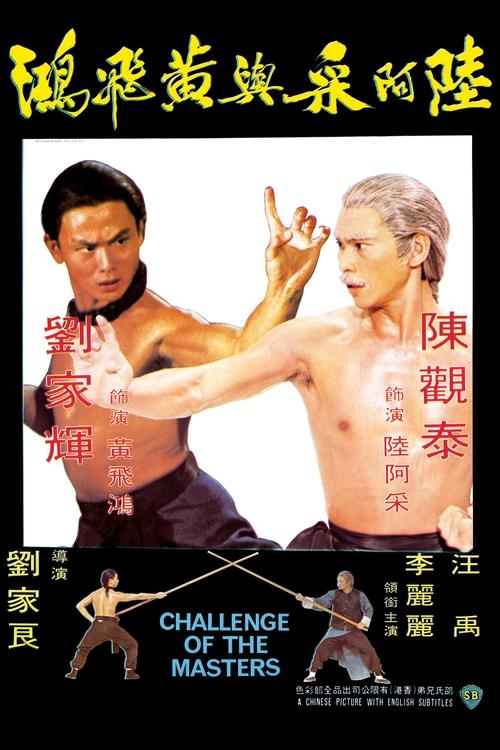
1976
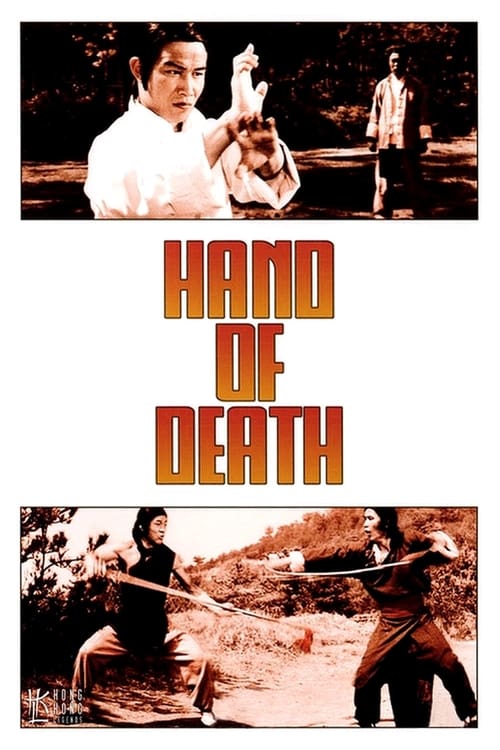
1976
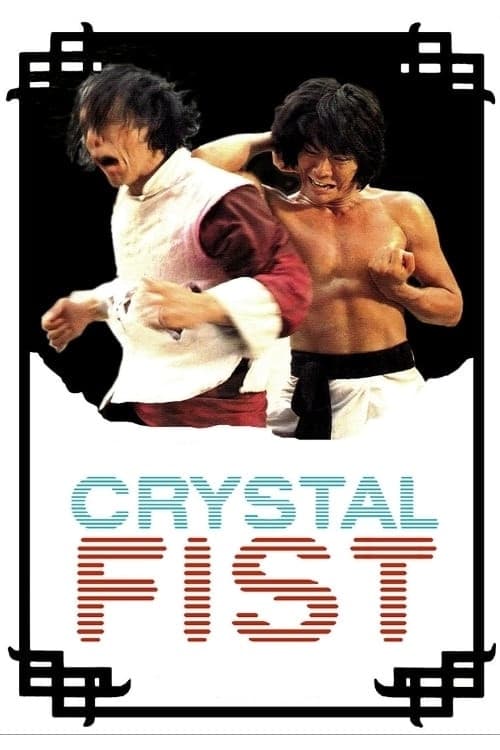
1979
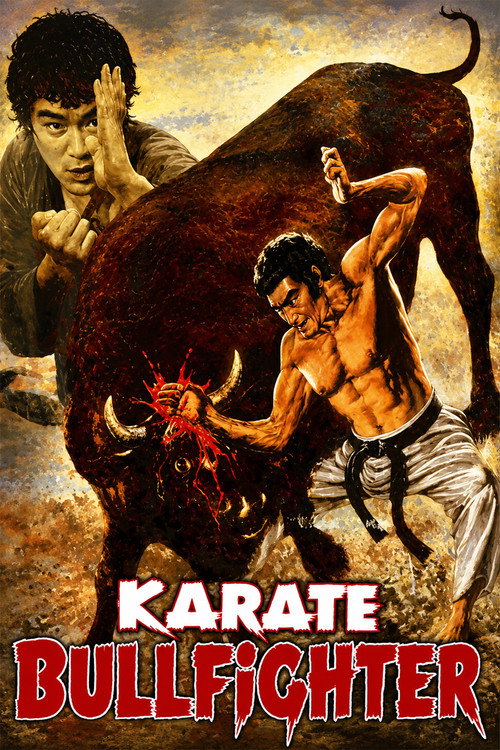
1975
No reviews yet. Be the first to share your thoughts on this movie!
Use the rating form above to leave a star rating and optional review.