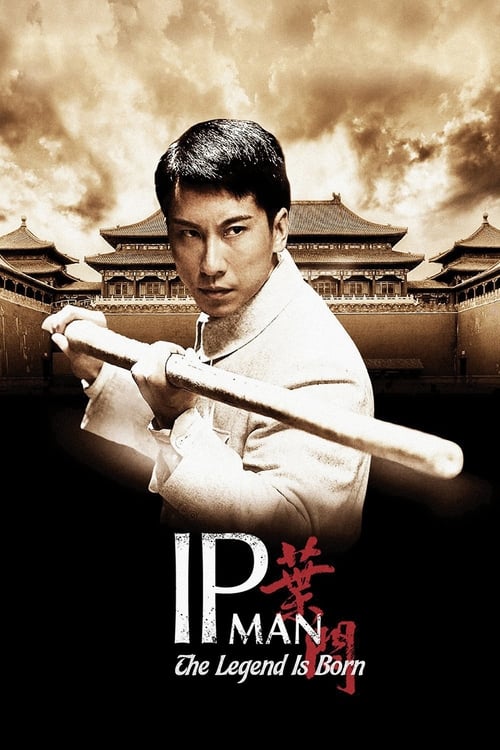
The Legend Is Born: Ip Man
2010
No user ratings available yet
Representation score: 2.6 out of 10

Representation Score
Fair
2003
Director
Yuen Woo-Ping, Chiu-Yee Yip
Runtime
127 minutes
Average Rating
No ratings yetNew Showbiz Analysis
The Tai Chi Master is a culturally specific film that emphasizes historical and ethnic authenticity over contemporary diversity. It successfully rejects Western-centric casting by focusing on Chinese ability to act during a period of foreign upheaval. However, the film remains anchored in traditional social structures. Its emphasis on masculine strength and conventional gender roles restricts its portrayal of gender and LGBTQ+ identities. Overall, it is a genre-driven film that celebrates cultural heritage through a traditional lens rather than a progressive one.
Category Breakdown
The film adheres to traditional martial arts themes and focuses on heterosexual relationships. It does not include characters with non-binary gender identities or same-sex relationships.
Female characters mainly serve as support figures or catalysts for romance. The story emphasizes masculine dominance and upholds traditional gender roles typical of the wuxia genre.
The film stands out for its cultural authenticity by featuring a predominantly Chinese cast. It avoids whitewashing and highlights the ability to act of characters within their own cultural context.
The story centers on the struggle for national identity against foreign occupation. It offers a nuanced, non-Western perspective that critiques colonial influence and highlights national pride.
Characters are primarily defined by their physical abilities and martial skills. The film does not explore neurodivergence or physical disabilities through a lens of empowerment.
Present on Screen
Limited or Absent
Official Synopsis
A condensed version of the 28-episode martial arts TV show. Martial arts star Wu Jing is The Master of Tai Chi! Long before he found fame on the big screen with blockbusters like Invisible Target and SPL, Wu Jing made his beginning steps into the entertainment industry with this period drama. Co-directed by renowned filmmaker and action choreographer Yuen Woo Ping, the 1997 drama The Master of Tai Chi is Wu Jing's first television drama, marking the start of this humble martial artist's star-making journey. Appropriately enough, The Master of Taichi is also the story of a journeyman, following the protagonist's transformation from willful kung fu novice to respected tai chi master.
2010
2004
2008

1993
2012
2020
1992
1993
No reviews yet. Be the first to share your thoughts on this movie!
Use the rating form above to leave a star rating and optional review.