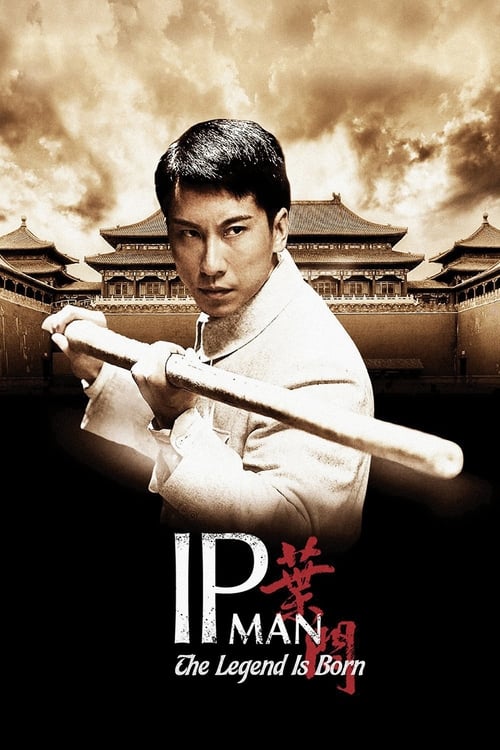
The Legend Is Born: Ip Man
2010
No user ratings available yet
Representation score: 2.6 out of 10

Representation Score
Limited
2008
RDirector
Wilson Yip
Runtime
106 minutes
Average Rating
No ratings yetNew Showbiz Analysis
Ip Man is a powerful film that centers on Chinese culture and identity. By focusing on the preservation of Wing Chun during the Second Sino-Japanese War, the film challenges Western-centric views and offers a deep look at post-colonial resistance. However, the film maintains traditional social structures and gender roles. It lacks representation of LGBTQ+ identities, reflecting the social norms of the 1930s. Overall, the film succeeds as a regional cinema piece that prioritizes national sovereignty and ethnic pride over Western storytelling models, while still upholding conservative social dynamics.
Category Breakdown
There are no LGBTQ+ characters in the film. The story focuses on traditional family structures and social roles.
Female characters are shown primarily in supportive and domestic roles. The film upholds the gender roles of the 1930s era, emphasizing the protagonist's role as a protector.
The film highlights Chinese perspectives by focusing on a Chinese martial arts master. Characters of color have prominent roles and ability to act.
The story emphasizes themes of resistance against imperialist forces. It centers on a moral framework based on honor, discipline, and community.
The film does not prominently feature characters with disabilities. There are no characters with visible or invisible disabilities.
Present on Screen
Limited or Absent
Official Synopsis
A semi-biographical account of Yip Man, the first martial arts master to teach the Chinese martial art of Wing Chun. The film focuses on events surrounding Ip that took place in the city of Foshan between the 1930s to 1940s during the Second Sino-Japanese War. Directed by Wilson Yip, the film stars Donnie Yen in the lead role, and features fight choreography by Sammo Hung.
2010
2009

2010

2015

2010

2019

2011
2013
No reviews yet. Be the first to share your thoughts on this movie!
Use the rating form above to leave a star rating and optional review.