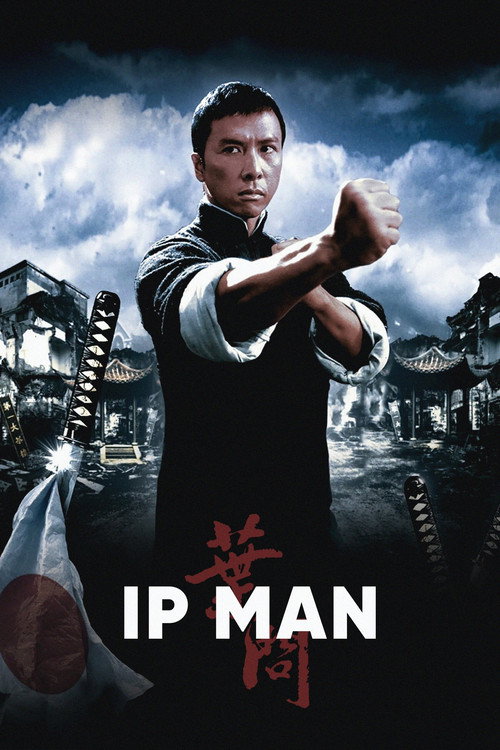
Ip Man
2008
No user ratings available yet
Diversity score: 5.5 out of 10
2010
PG-13Director
Herman Yau
Runtime
100 minutes
Average Rating
No ratings yetSynopsis
The remarkable true story of the early life of Ip Man, the formidable kung fu genius who would become Bruce Lee's mentor; beginning at the start of his journey from his initial training through to the ultimate battle to become supreme master of the art of Wing Chun.
Overall Score
Fair
Category Breakdown
LGBTQ+ Representation
The film adheres to a traditional heteronormative framework. There is no presence of non-cisnormative gender identities or same-sex intimacy within the narrative.
Gender Representation
The story operates within a patriarchal structure where masculinity is defined by martial mastery. Female characters are largely confined to domestic spheres.
Racial & Ethnic Diversity
The cast is culturally homogenous, which maintains historical authenticity for the setting. The plot explores identity through the tension between Chinese populations and Japanese imperial forces.
Religious & Cultural Diversity
The narrative focuses on the preservation of traditional Chinese martial arts heritage. It frames the struggle against Japanese imperialism through a lens of nationalistic identity.
Disability Representation
There are no prominent depictions of visible or invisible disabilities used as central plot devices or character traits.
Strengths
Areas for Improvement
AI Analysis
The film is a period-specific martial arts drama that prioritizes historical realism and nationalistic themes. It functions as a study of cultural identity under foreign occupation rather than a vehicle for modern intersectional representation. While the film lacks progressive gender or LGBTQ+ subversions, it effectively utilizes post-colonial frameworks. The narrative focuses on the struggle of an occupied people against an imperial power, grounding the story in the social dynamics of early 20th-century Foshan.
2008
2009

2011

2010

2011

2011
2013
No reviews yet. Be the first to share your thoughts on this movie!
Use the rating form above to leave a star rating and optional review.