
Sweet War, Farewell
1991
No user ratings available yet
Diversity score: 4.2 out of 10
2004
Director
Markku Pölönen
Runtime
105 minutes
Average Rating
No ratings yetSynopsis
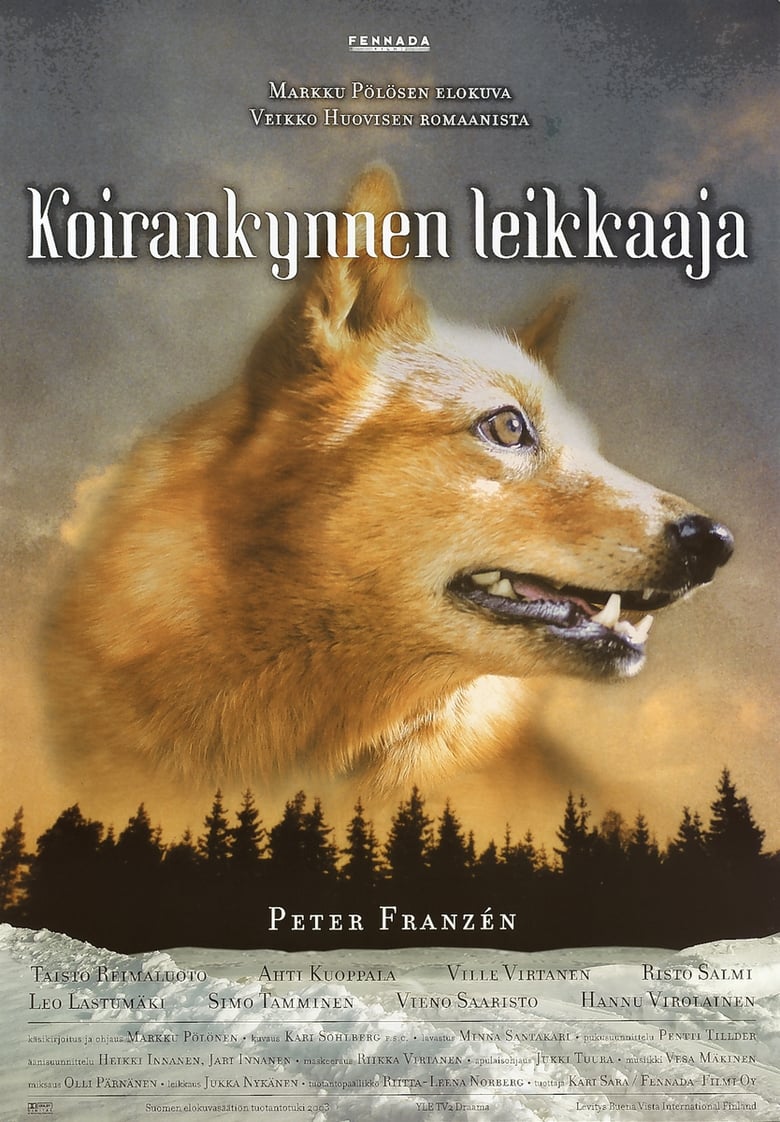
Bright young soldier Mertsi suffers a permanent brain injury in the Second World War. In the late 1940s he wanders around the Finnish countryside looking for simple work and relying on other people's help. A workmate, Ville, tells him about his clever Spitz dog back home and the problems with her overlong dew claws. Together with his helpful war buddy Eetvi, Mertsi joins a lumber camp in the middle of a freezing winter, tries hard but finds the work there too strenuous for his body and mind. While he still sees nightmares about the war, in the daytime he keeps dreaming and worrying about the dog...
Overall Score
Fair
Category Breakdown
LGBTQ+ Representation
The film contains no mention of LGBTQ+ characters or non-cisnormative identities. There is no evidence of queer subtext or narratives addressing heteronormativity within the story.
Gender Representation
The narrative centers on male camaraderie and wartime brotherhood between characters like Mertsi and Eetvi. The setting of lumber camps suggests a traditional masculine environment without female agency.
Racial & Ethnic Diversity
Set in the post-WWII Finnish countryside, the cast appears ethnically homogeneous. The story lacks evidence of intersectional racial blending or the disruption of Western norms.
Religious & Cultural Diversity
The film offers a nuanced view of post-war reconstruction by focusing on a veteran's psychological struggles. It avoids idealized views of nationalistic stability or traditional work ethics.
Disability Representation
A central character with a permanent brain injury drives the narrative. The film portrays his cognitive struggles and search for work with significant agency and sophistication.
Strengths
Areas for Improvement
AI Analysis
Dog Nail Clipper is a character study that prioritizes the psychological fragmentation of a veteran over grand political themes. It succeeds by centering a neurodivergent experience, using a protagonist's cognitive impairment to explore vulnerability rather than heroism. However, the film is limited by its specific historical and geographical context. The focus on male-dominated wartime brotherhood and a post-war Finnish setting results in a lack of racial, gender, and LGBTQ+ diversity. Ultimately, the film trades broad social representation for a deep, intimate look at disability and the internal toll of conflict.
1991
1950

1989

1977

2019

2016

2018

1989

2011
1977

1978

1960
No reviews yet. Be the first to share your thoughts on this movie!
Use the rating form above to leave a star rating and optional review.