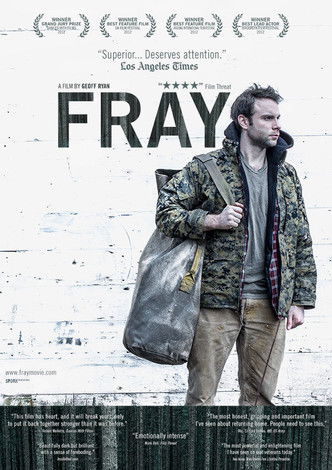
Fray
2012
No user ratings available yet
Representation score: 6.2 out of 10
Representation Score
Good
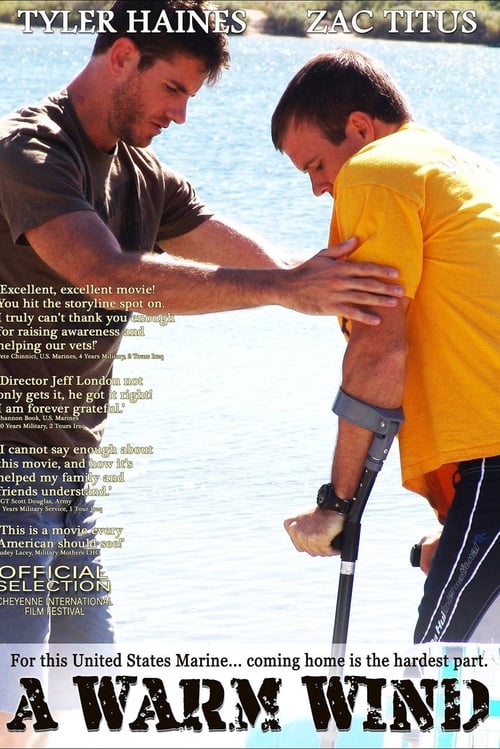
2011
Director
Jeff London
Runtime
94 minutes
Average Rating
No ratings yetNew Showbiz Analysis
A Warm Wind is a focused character study that prioritizes the lived experience of disability and systemic alienation. It succeeds by placing the complexities of PTSD and physical impairment at the heart of the narrative, avoiding idealized recovery clichés in favor of raw, social friction. However, the film lacks breadth in other areas of identity. The narrative is heavily centered on male-driven trauma and kinship, offering little visibility for LGBTQ+ identities or multi-ethnic perspectives. This narrow focus limits the film's overall inclusive reach. Ultimately, the work is a specialized exploration of the individual versus the state. It trades broad demographic diversity for a deep, critical look at how institutional failures impact those living with disabilities.
Category Breakdown
The film does not include any LGBTQ+ characters or identities that challenge straight-centered assumptions. The story centers around the bond between cousins Buck and David.
The story emphasizes masculine experiences and male kinship. Although it delves into male vulnerability, it does not challenge traditional gender hierarchies through women's ability to drive the story.
There is no explicit mention of a multi-ethnic cast or diverse racial identities. The narrative focuses on a specific socio-political context that defaults to a homogeneous perspective.
The film critiques Western institutional stability by portraying the veteran's struggle as a systemic failure. It depicts state institutions as potentially alienating rather than inherently protective.
Physical disability and PTSD are central to the character arc. The film avoids sanitized clichés, instead highlighting the social friction and systemic challenges caused by post-war trauma.
Present on Screen
Limited or Absent
Official Synopsis
Buck, a Marine, has returned from the Iraq war. With physical disabilities, PTSD, and no real family to care for him, he can't seem to fit into society. His cousin David puts his own life aside to care for him. Things get heated with family and friends who argue Buck is the government's problem. David must do what is right.
2012

2014
2010
2013

2016

2011

2017
2017
No reviews yet. Be the first to share your thoughts on this movie!
Use the rating form above to leave a star rating and optional review.