
Greyfriars Bobby
1961
No user ratings available yet
Representation score: 0.4 out of 10
Representation Score
Fair
1977
PGDirector
Stanislav Rostotsky
Runtime
182 minutes
Average Rating
No ratings yetNew Showbiz Analysis
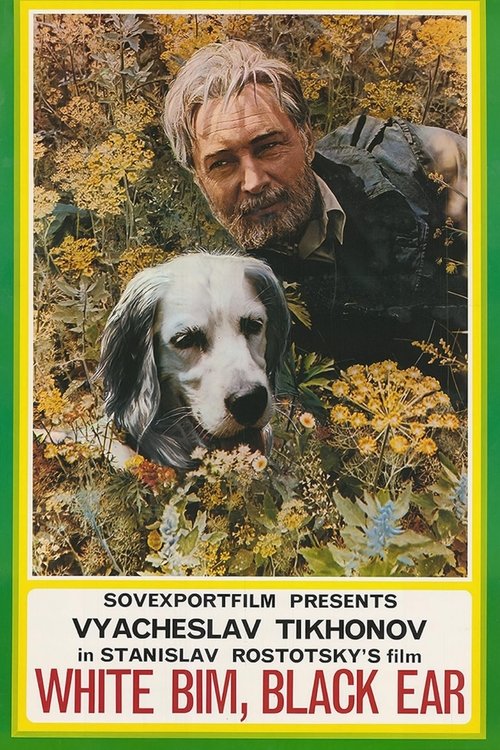
White Bim Black Ear is a humanistic drama that prioritizes moral inquiry over identity-based representation. It uses a non-human protagonist to expose the systemic indifference and cruelty within a human social structure. The film lacks modern multi-layered markers, such as LGBTQ+ visibility or diverse ethnic casting. Instead, it achieves depth through the tension between individual kindness and the apathy of the broader community. While the film adheres to the traditional social structures of its era, it gains emotional complexity by focusing on the struggle of the individual against social neglect.
Category Breakdown
The film focuses solely on the relationship between a dog and its owner. There is no representation of LGBTQ+ identities or stories that challenge the assumption that everyone is straight or cisgender.
The characters adhere to traditional roles typical of 1970s Soviet social realism. The story emphasizes moral decision-making rather than challenging gender hierarchies.
The setting portrays a relatively homogeneous population within a specific Soviet context. The narrative centers on the dog's physical uniqueness, avoiding discussions of ethnic diversity.
The film critiques social apathy and the erosion of communal responsibility. It highlights individual cruelty to question the ideal of a perfectly empathetic society.
Physical vulnerability is explored through Ivan Ivanovich’s declining heart health. His frailty drives the plot and results in the displacement of his dependent dog.
Present on Screen
Limited or Absent
Official Synopsis
A touching story about a white Gordon Setter with black ear, who became homeless because of his master's illness. His master, Ivan Ivanovich, a man far from being young, fond of hunting and nature, took a puppy to live with him, despite the dog's black ear being a "shame of nature" to his breed. The man always took his dog, whom he called Bim or Bimka, to hunting in country. Later, however Ivan Ivanovich began to have problems with heart and when the disease became worse was taken to a hospital. His dog couldn't bear waiting for the only person that ever cared for him and set out to find his master. Thus began the story of a homeless dog and his many breathtaking and exciting adventures, encounters of many people, kind and evil, and leads to an unexpected and heart-rending end.
1961

1987

1956
1966
1957

1943

1996
2022
No reviews yet. Be the first to share your thoughts on this movie!
Use the rating form above to leave a star rating and optional review.