The Rise of ISIS
2014
No user ratings available yet
Representation score: 5.5 out of 10
Representation Score
Good
2004
TV-MADirector
Martin Smith
Runtime
55 minutes
Average Rating
No ratings yetNew Showbiz Analysis
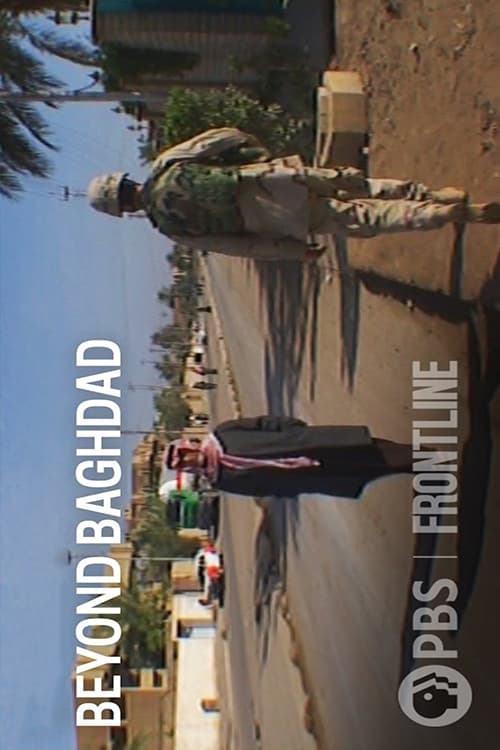
Beyond Baghdad distinguishes itself by challenging Western dominance through a post-colonial lens. It avoids the usual clichés of geopolitical storytelling by emphasizing the perspectives of the Iraqi population. The film's strength lies in its commitment to centering local viewpoints, providing a counter-narrative to the official mission of democratization. However, the documentary remains limited in its exploration of specific identity-based narratives. While it captures the broad humanitarian crisis, it lacks focused representation for LGBTQ+ individuals and those with disabilities.
Category Breakdown
The documentary does not include specific LGBTQ+ narratives or characters. This absence reflects the film's focus on the humanitarian and geopolitical aspects of the 2003 Iraq invasion.
Iraqi women are shown navigating the challenges of war and occupation. However, the film emphasizes shared survival rather than criticizing patriarchal structures.
The film stands out by centering non-Western voices, featuring Iraqi civilians and local journalists. This approach counters the typical Western-centric portrayal of war.
The narrative uses a post-colonial perspective to critique Western institutional involvement. It highlights the viewpoints of those seeing the coalition as an occupying force.
Physical injuries from violence are documented, but characters with disabilities are not central figures. The film does not focus on neurodivergence or chronic disabilities.
Present on Screen
Limited or Absent
Official Synopsis
In the summer of 2003, violence against the U.S.-led coalition in Iraq spiked alarmingly. Traveling across Iraq, FRONTLINE reporters went to see how the U.S. plan to turn the country into a showcase for democracy in the Middle East was faring.
2014

2005

2007

2015
2004

2008

2006
2019
No reviews yet. Be the first to share your thoughts on this movie!
Use the rating form above to leave a star rating and optional review.