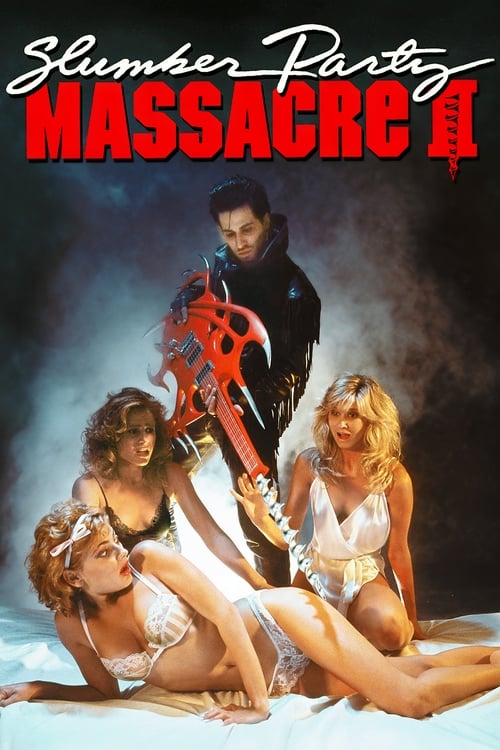
Slumber Party Massacre II
1987
No user ratings available yet
Representation score: 3.4 out of 10
Representation Score
Fair
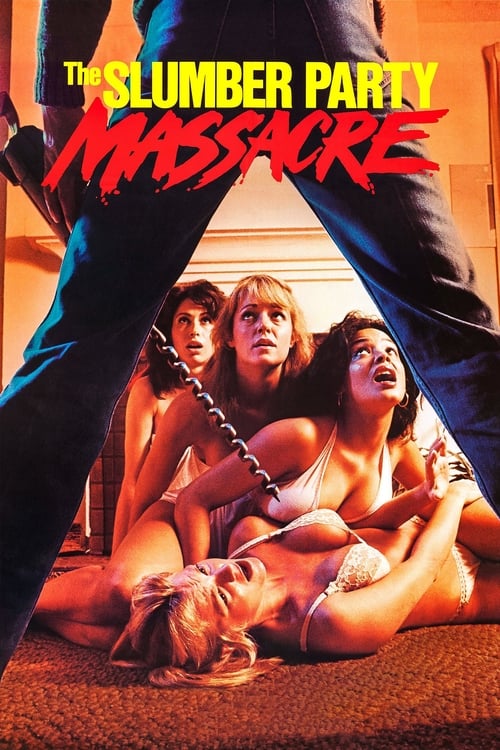
1982
RDirector
Amy Holden Jones
Runtime
76 minutes
Average Rating
No ratings yetNew Showbiz Analysis
The Slumber Party Massacre uses the horror genre to critique traditional power structures, particularly those related to gender. It successfully shifts the narrative focus from passive victims to empowered characters. However, the film's scope is limited, focusing mainly on a homogenous, able-bodied, and heterosexual demographic. Despite its progressive elements, the film lacks diverse representation in terms of race, LGBTQ+ identities, and disabilities.
Category Breakdown
The film does not include any LGBTQ+ characters or depict non-straight relationships. The story revolves around female friendships within a traditional heterosexual setting.
The film challenges traditional gender roles by showing strong female characters who take charge of their situations, mocking the idea of women as passive victims.
The cast is primarily white and middle-class, reflecting the homogeneous demographics of 1980s suburban life. There is no racial or ethnic diversity among the main characters.
The story criticizes the slasher genre and depicts authority figures as ineffective, forcing characters to rely on each other rather than institutions for protection.
The film does not feature any prominent depictions of physical or neurological disabilities. Characters are shown within a typical able-bodied context.
Present on Screen
Limited or Absent
Official Synopsis
Trish invites her high school basketball teammates over for a night they'll never forget when an unexpected guest crashes the party: an escaped psychopath with a portable power drill.
1987
1983
1981
1990
1981
1982
1986
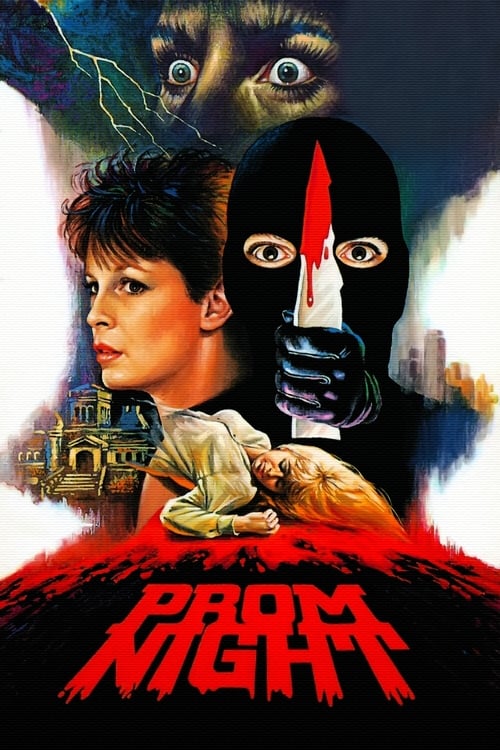
1980
No reviews yet. Be the first to share your thoughts on this movie!
Use the rating form above to leave a star rating and optional review.