
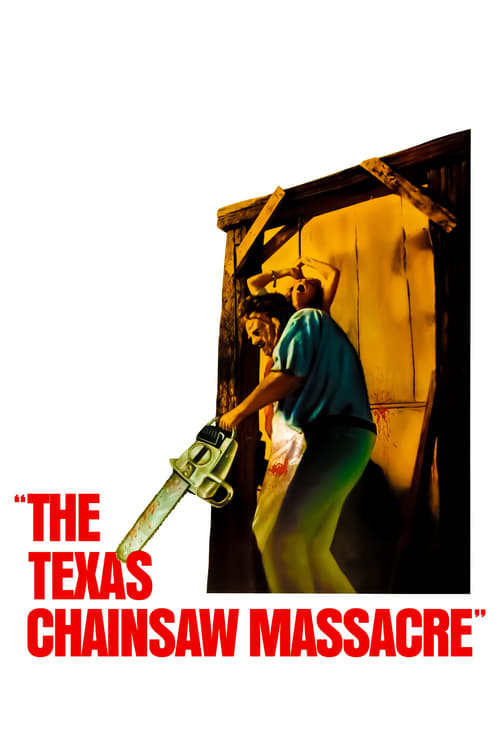
The Texas Chainsaw Massacre
2003
No user ratings available yet
Representation score: 2.2 out of 10
Representation Score
Limited
1974
RDirector
Tobe Hooper
Runtime
83 minutes
Average Rating
No ratings yetNew Showbiz Analysis
The film is a visceral deconstruction of American social stability rather than a study in demographic inclusion. It falls short in meeting progressive standards for racial, gender, and LGBTQ+ representation, presenting a largely homogeneous and straight-centered cast. However, the film excels in its cultural critique. It uses the decay of the rural landscape and the breakdown of the traditional family unit to challenge Western institutions and the perceived sanctity of the American Dream. Ultimately, the work finds its power in systemic subversion. It replaces established social orders with a chaotic struggle for survival, using horror to highlight the transition from agrarian to industrial society.
Category Breakdown
There are no visible LGBTQ+ characters or explorations of non-straight identities in the film. The interpersonal relationships focus solely on heterosexual peer groups and traditional family structures.
Male characters are portrayed as aggressive and dominant figures. The female protagonist, Sally Hardesty, is shown as a victim within a male-dominated landscape of terror.
The cast is predominantly white, representing a specific socioeconomic demographic of rural youth. The narrative does not include characters from diverse racial backgrounds.
The film provides a harsh critique of the American Dream and the decline of the rural economy. It depicts the breakdown of traditional family units and societal norms.
Characters display significant psychological instability and social dysfunction. These traits are used primarily as elements of horror rather than offering nuanced representation of individuals with disabilities.
Present on Screen
Limited or Absent
Official Synopsis
Five friends head out to rural Texas to visit the grave of a grandfather. On the way, they stumble across what appears to be a deserted house, only to discover something sinister within. Something armed with a chainsaw.
2003
1990
1985
1977
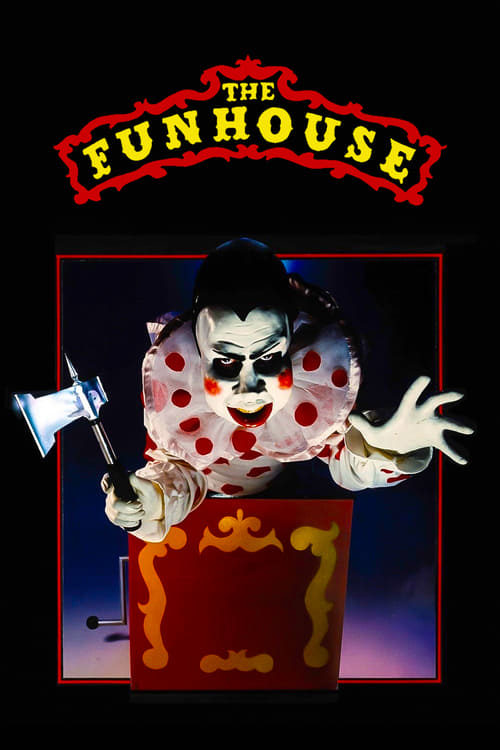
1981
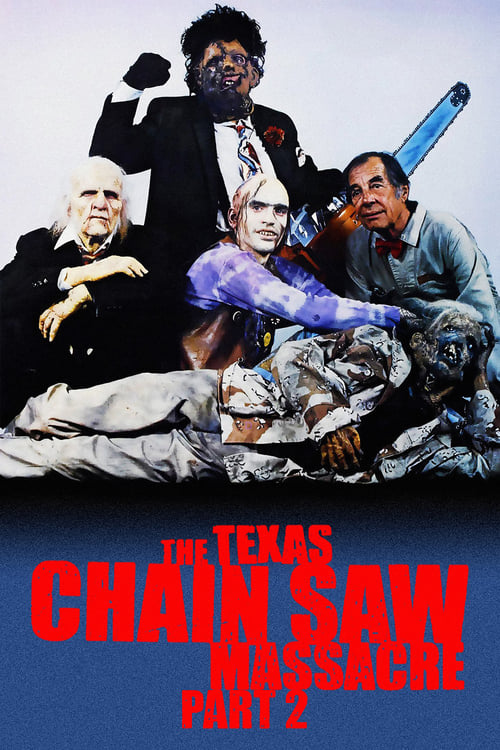
1986

1980
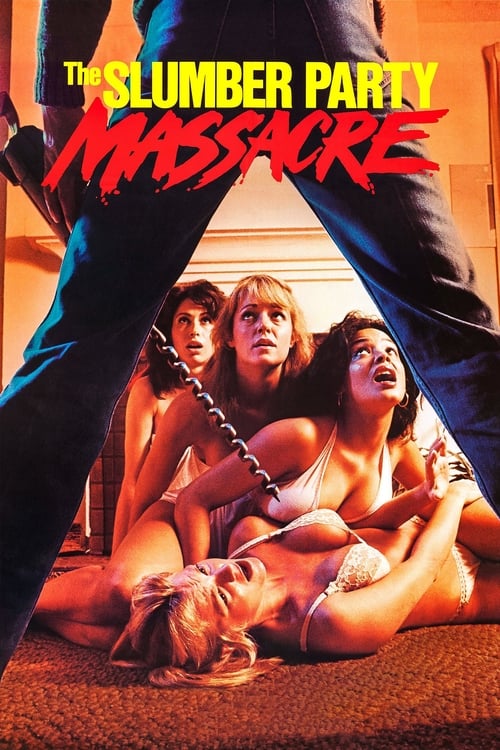
1982
No reviews yet. Be the first to share your thoughts on this movie!
Use the rating form above to leave a star rating and optional review.