
The Texas Chainsaw Massacre
2003
No user ratings available yet
Representation score: 2.2 out of 10
Representation Score
Minimal
1990
RDirector
Jeff Burr
Runtime
81 minutes
Average Rating
No ratings yetNew Showbiz Analysis
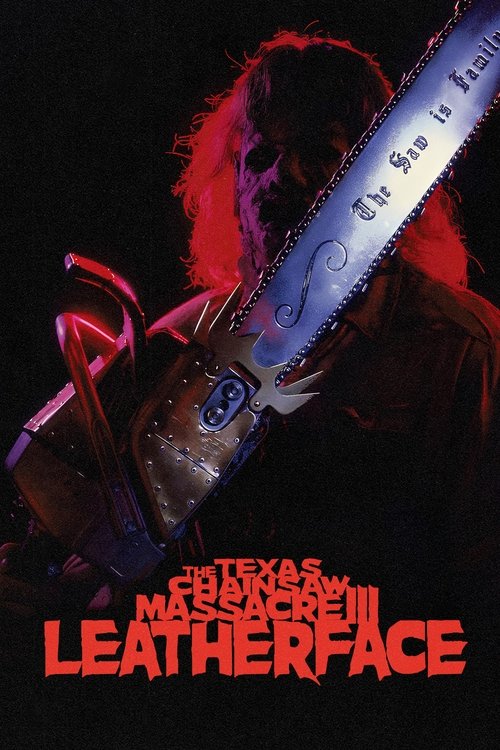
Leatherface: The Texas Chainsaw Massacre III is a traditional genre piece that operates within the established social and demographic conventions of 1990s horror. It prioritizes slasher clichés over diverse perspectives. The film lacks diversity across almost every metric, centering on a homogeneous white cast and adhering to rigid gender archetypes. It does not attempt to disrupt conventional expectations or introduce nuanced social critiques. Ultimately, the narrative functions as a localized survival story, reinforcing the demographic norms of its era rather than expanding its social scope.
Category Breakdown
The film follows traditional structures typical of early 1990s slashers. It does not include any stories or characters that challenge traditional sexual orientations or gender identities.
Female characters mainly fit the 'final girl' archetype, known for their ability to endure trauma. Masculinity is shown through predatory behavior or traditional vulnerability.
The casting and narrative focus remain largely homogeneous. The story centers on a predominantly white cast in a rural Texas setting.
The film portrays a dysfunctional family unit to meet horror genre requirements. It does not engage with anti-capitalist or secular ideologies, focusing instead on individual survival.
There is no representation of neurodivergence, chronic illness, or physical disability. Characters are defined solely by their physical ability to flee or fight.
Present on Screen
Limited or Absent
Official Synopsis
Two college students driving coast to coast are lured off the main highway and onto a deserted Texas road where they are stalked by the menacing Leatherface and his family.
2003
1977
1985

1995
1974

1986
1982
1982
No reviews yet. Be the first to share your thoughts on this movie!
Use the rating form above to leave a star rating and optional review.