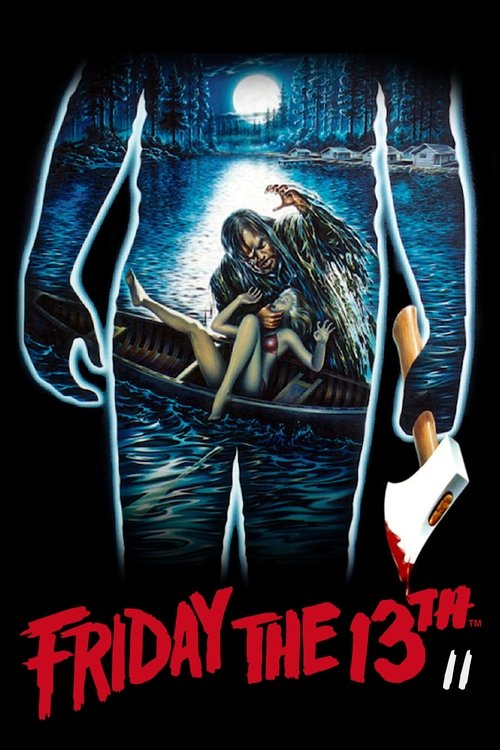
Friday the 13th Part 2
1981
No user ratings available yet
Representation score: 1.9 out of 10
Representation Score
Minimal
1982
RDirector
Steve Miner
Runtime
95 minutes
Average Rating
No ratings yetNew Showbiz Analysis
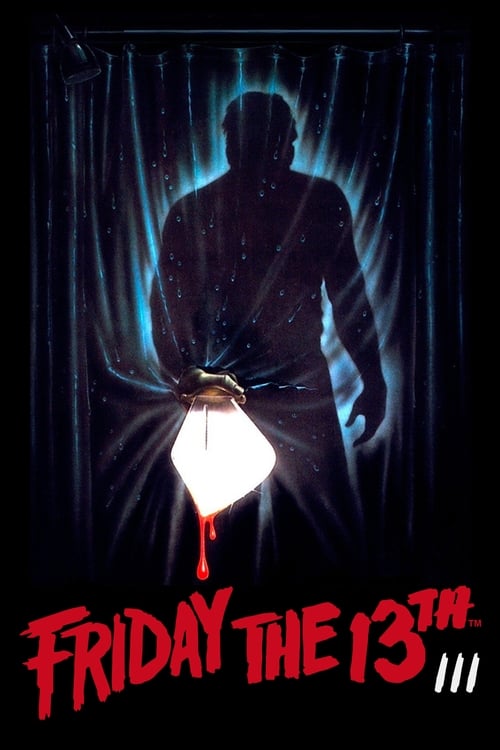
Friday the 13th Part III functions as a quintessential 1980s slasher, prioritizing genre clichés over social complexity. The narrative relies on established archetypes that reinforce traditional hierarchies rather than challenging them. The cast is largely homogeneous, lacking racial, ethnic, or LGBTQ+ diversity. This creates a narrow social lens that reflects the era's standard commercial horror frameworks. While the protagonist provides a slight deviation from total female passivity, the film's overall structure remains rooted in conventional gender roles and a lack of multi-layered representation.
Category Breakdown
The film lacks LGBTQ+ characters or any exploration of non-straight relationships. Interpersonal dynamics remain strictly within traditional heterosexual frameworks.
While Ginny shows strength and survival skills, the film largely follows typical 1980s gender stereotypes. Male characters emphasize bravado, while many women are portrayed as victims.
The ensemble is predominantly white and middle-class, showing a lack of racial or ethnic diversity. The casting does not include diverse perspectives into the narrative.
The story operates within a Western framework focused on adolescent rebellion. It avoids engagement with religious, political, or systemic themes, focusing instead on individual survival.
There is no meaningful representation of visible or invisible disabilities. Jason Voorhees serves as a genre-driven figure of terror rather than a nuanced exploration of disability.
Present on Screen
Limited or Absent
Official Synopsis
An idyllic summer turns into a nightmare of unspeakable terror for yet another group of naïve friends. Ignoring Camp Crystal Lake's bloody legacy, one by one they fall victim to the maniacal Jason, who stalks them at every turn...
1981
1989

1980
1984
2009
1990
1988
1982
No reviews yet. Be the first to share your thoughts on this movie!
Use the rating form above to leave a star rating and optional review.