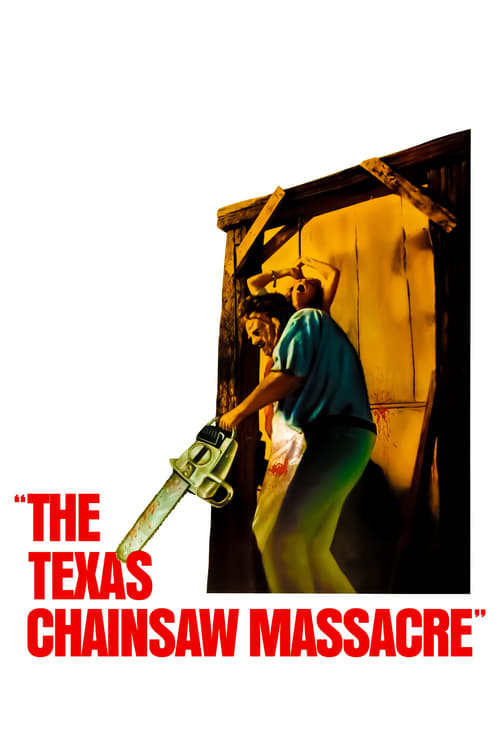
The Texas Chain Saw Massacre
1974
No user ratings available yet
Representation score: 3.1 out of 10
Representation Score
Limited
1981
RDirector
Tobe Hooper
Runtime
95 minutes
Average Rating
No ratings yetNew Showbiz Analysis
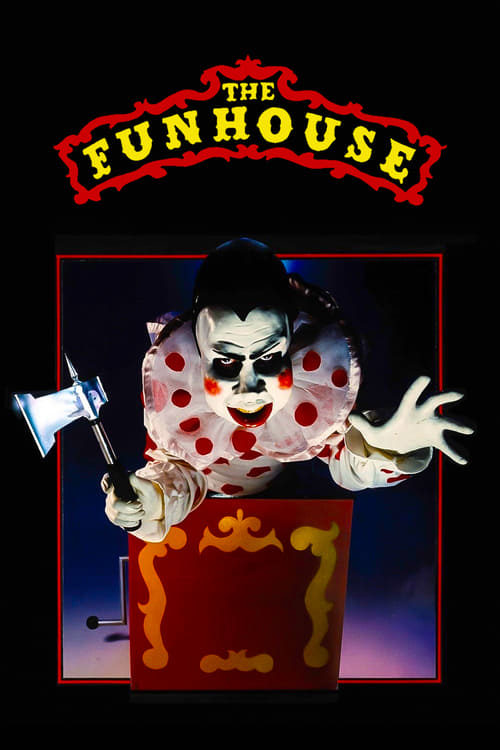
The Funhouse functions as a typical slasher film that emphasizes atmospheric terror over social commentary. The narrative structure adheres to the established clichés of the early 1980s, focusing on survival rather than identity issues. The cast is predominantly homogeneous, lacking in racial, ethnic, or LGBTQ+ diversity. This results in a narrow social perspective that aligns with the era's genre conventions rather than challenging them. While the film disrupts social order by making institutions like law enforcement ineffective, it does so to facilitate horror. Disability is utilized through the 'monster' cliché, reinforcing traditional cinematic biases.
Category Breakdown
The film does not depict any non-binary gender identities or same-sex relationships. Character interactions revolve around traditional heterosexual pairings, with no engagement with LGBTQ+ themes.
Amy plays a significant role in driving the story, but the film leans heavily on traditional gender roles and victim stereotypes. It does not challenge conventional gender hierarchies.
The cast is primarily made up of white, middle-class teenagers. The film lacks meaningful racial or ethnic diversity, reflecting a narrow demographic focus typical of early 1980s cinema.
The narrative highlights the breakdown of traditional Western institutions such as parental authority. This serves the horror genre's need for isolation rather than a critical examination of systemic power structures.
A character with physical deformities is portrayed as the main antagonist. The film uses disability as a tool for horror and intimidation, rather than exploring the character's ability to drive the story in a nuanced way.
Present on Screen
Limited or Absent
Official Synopsis
Rebellious teen Amy defies her parents by going to a trashy carnival that has pulled into town. In tow are her boyfriend, Buzz, and their friends Liz and Richie. Thinking it would be fun to spend the night in the campy "Funhouse" horror ride, the teens witness a murder by a deformed worker wearing a mask. Locked in, Amy and her friends must evade the murderous carnival workers and escape before it leaves town the next day.
1974
1987
1982
1983
1990
1990

1980
1977
No reviews yet. Be the first to share your thoughts on this movie!
Use the rating form above to leave a star rating and optional review.