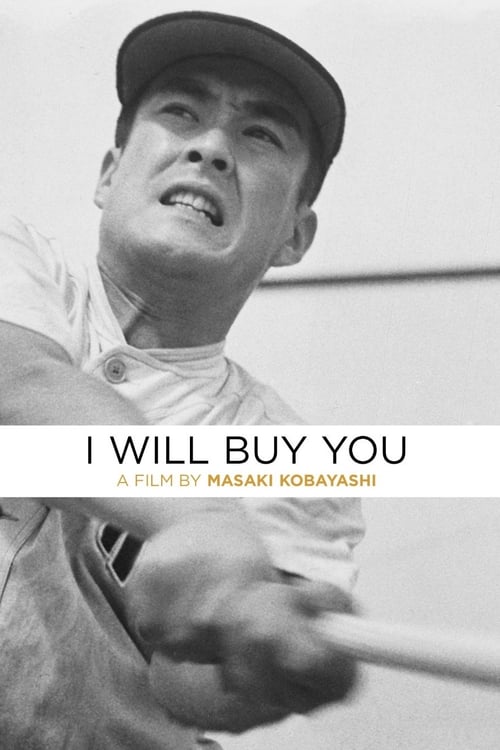
I Will Buy You
1956
No user ratings available yet
Representation score: 4.3 out of 10

Representation Score
Fair
1977
Director
Seijun Suzuki
Runtime
93 minutes
Average Rating
No ratings yetNew Showbiz Analysis
Seijun Suzuki’s direction provides a foundation for challenging traditional cinematic expectations. The film's strength lies in its focus on a female protagonist's psychological struggle against systemic commercial pressures, moving beyond passive gender roles. However, the film remains culturally specific to its era and location, lacking explicit LGBTQ+ representation or multicultural casting. The narrative's primary impact comes from its critique of institutional influence and the commodification of the self. Ultimately, the film functions as a character study of fame rather than a diverse ensemble piece, finding its depth in the tension between individual identity and capitalist structures.
Category Breakdown
The film does not include explicit LGBTQ+ characters or narratives that challenge heteronormativity. While Seijun Suzuki's style often questions social norms, the main storyline focuses on a golfer's rise to fame rather than exploring queer identity.
The story centers around a female protagonist who navigates professional challenges and the pressures of fame. It disrupts traditional gender hierarchies by moving the woman from domestic roles into a high-stakes, public-facing sphere.
As a 1977 Japanese production, the film reflects its specific era and location. It resists Western-centric storytelling models but lacks evidence of multicultural casting or characters representing various backgrounds.
The narrative critiques how capitalist structures and marketing commodify individual identity. It explores the psychological toll of fame and the corrupting influence of the celebrity industrial complex.
There is no evidence regarding the depiction of physical or neurodivergent disabilities within the available narrative details.
Present on Screen
Limited or Absent
Official Synopsis
A rookie golfer must cope with the stress of fame after a marketing executive transforms her into a sports celebrity.
1956

1963
1958

1951
1986
1959
1977

1982
No reviews yet. Be the first to share your thoughts on this movie!
Use the rating form above to leave a star rating and optional review.