
Ako
1964
No user ratings available yet
Representation score: 6.0 out of 10
Representation Score
Fair
1963
Director
Yoji Yamada
Runtime
86 minutes
Average Rating
No ratings yetNew Showbiz Analysis
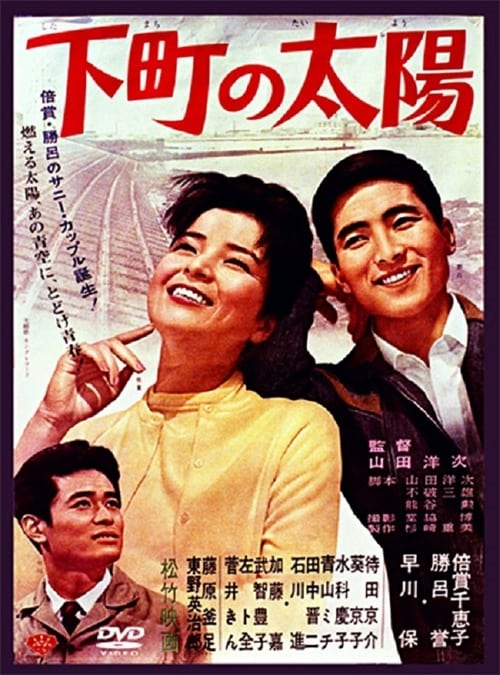
Yoji Yamada’s work provides a humanistic look at the working class, centering on the existential and economic struggles of a female factory worker. The film moves away from grand epics to focus on the intimate struggles of the common person in post-war Japan. While the film offers a meaningful portrayal of female autonomy and class dynamics, it lacks explicit markers of diverse identities. The narrative structure emphasizes individual struggle against systemic economic constraints rather than diverse identity representation. Ultimately, the film serves as a character-driven drama that explores social realism through the lens of a woman seeking her own path in a structured society.
Category Breakdown
The film does not provide specific character descriptions or romantic arcs to confirm non-straight relationships. This score reflects a neutral baseline for 1960s Japanese social realism.
The narrative centers on a female protagonist navigating professional and personal autonomy. By focusing on her struggle to define her purpose, the film gives her a central role in driving the story.
As a product of the Japanese studio system, the film depicts a localized social reality. It offers a culturally specific exploration of Japanese working-class identity.
The focus on a factory worker prioritizes the realities of labor and economic struggle. It explores individual pursuits within a structured social system.
There is no evidence to suggest the presence of characters with visible or invisible disabilities.
Present on Screen
Limited or Absent
Official Synopsis
A young factory worker struggles to figure out what she wants to do with her life.
1964
1960

1962
1936
1952

1963
1951
1956
No reviews yet. Be the first to share your thoughts on this movie!
Use the rating form above to leave a star rating and optional review.