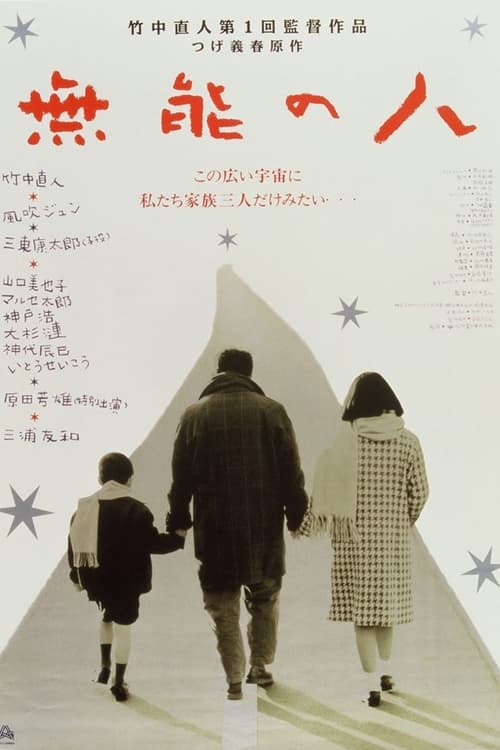
Nowhere Man
1991
No user ratings available yet
Representation score: 6.7 out of 10
Representation Score
Fair
1990
Director
Sion Sono
Runtime
93 minutes
Average Rating
No ratings yetNew Showbiz Analysis
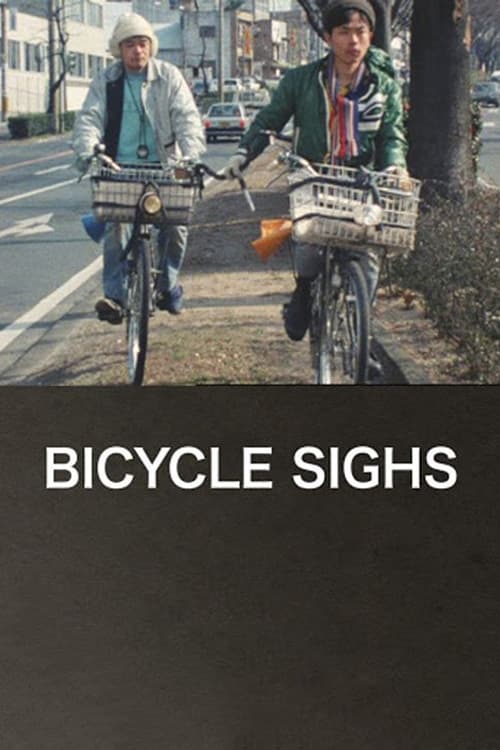
Bicycle Sighs is a character-driven exploration of youthful disillusionment set against the backdrop of provincial stagnation. The film delves into the tension between creative perseverance and existential apathy through its two main characters. Though the film does not feature overtly diverse representation, it finds depth in its critique of institutional success. By focusing on characters sidelined by academic and professional hierarchies, it challenges conventional paths to achievement. Ultimately, the work examines individual ability to act outside state-sanctioned roles, even if it remains limited in its demographic scope.
Category Breakdown
The film does not explicitly depict non-straight relationships or same-sex intimacy. Without clear hints of queer subtext, the narrative focuses on a neutral perspective regarding sexual orientation.
The story centers on a male-dominated duo navigating a stagnant society. It lacks strong female roles or the overturning of traditional gender roles needed for a higher score.
The setting implies a uniform social environment typical of Japanese provincial dramas. There is no indication of diverse racial representation or the mixing of different ethnic backgrounds.
The film critiques strict meritocratic systems by focusing on characters who did not succeed academically. It portrays everyday work as a place of profound personal struggle.
There is no depiction of physical or neurodivergent disabilities within the narrative.
Present on Screen
Limited or Absent
Official Synopsis
Shiro and Keita didn’t manage to enter university and are stuck in their hometown delivering newspapers. Shiro persists on finishing a film they started, but Keita is not very enthusiastic.
1991

1997

2009
1996

2001
2018

1997
1995
No reviews yet. Be the first to share your thoughts on this movie!
Use the rating form above to leave a star rating and optional review.