A Scream in the Night
1935
No user ratings available yet
Representation score: 1.0 out of 10

Representation Score
Minimal
1938
NRDirector
Norman Foster
Runtime
63 minutes
Average Rating
No ratings yetNew Showbiz Analysis
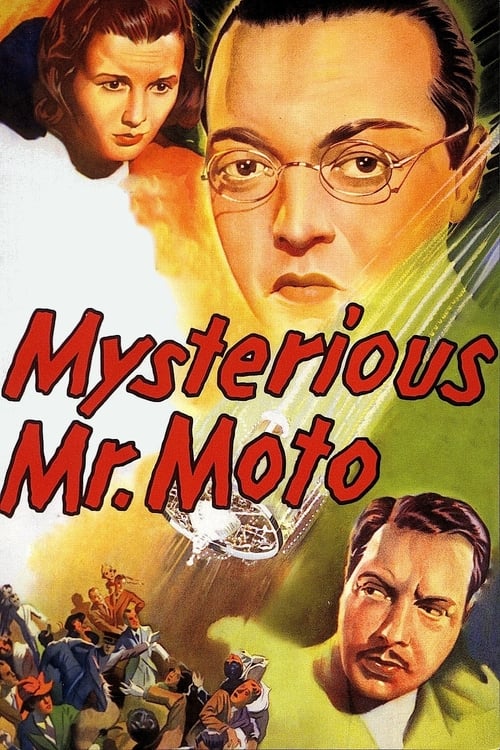
Mr. Moto Takes a Chance is a product of its time, emphasizing traditional mystery clichés over social critique. Its reliance on conventional narrative structures reinforces existing power dynamics without challenging them. The most significant issue is the use of yellowface, where a Western actor portrays an Asian character, failing to provide authentic representation. Combined with a lack of women's ability to drive the story, the film remains anchored in a colonialist perspective. While the exotic setting offers a unique backdrop, the film fails to authentically represent cultural or racial diversity, resulting in a narrow and traditional viewing experience.
Category Breakdown
The film does not include any characters with LGBTQ+ identities, sticking strictly to heterosexual relationships.
Women in the film mainly appear as secondary characters, often as love interests or victims. Male characters dominate the storyline.
European actor Peter Lorre plays a Japanese character, reinforcing stereotypes and lacking authentic representation of Asian actors.
Southeast Asia is portrayed as an exotic backdrop for Western detective stories. Local conflicts are used merely as plot devices without deeper exploration.
The film does not feature any characters with physical or neurological disabilities that significantly affect the story.
Present on Screen
Limited or Absent
Official Synopsis
In the jungle near Angkor Wat in Cambodia, Mr. Moto poses as an ineffectual archaeologist and a venerable holy man with mystical powers to help foil two insurgencies against the government.
1935
1942

1939
1940
1938
1935
1947
1937
No reviews yet. Be the first to share your thoughts on this movie!
Use the rating form above to leave a star rating and optional review.