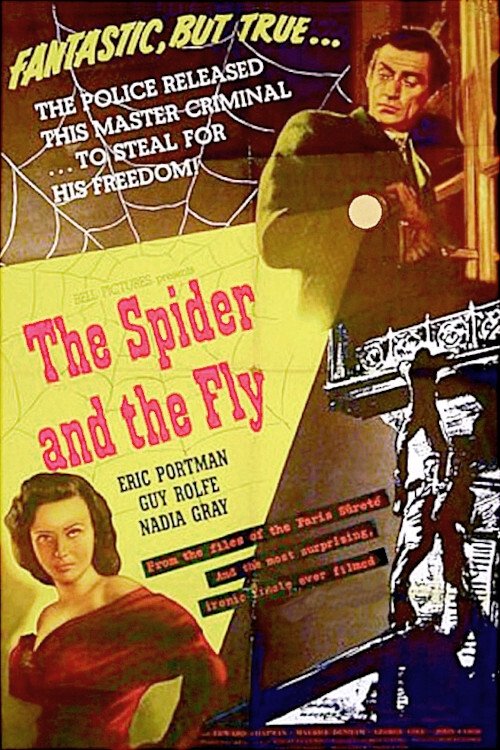
The Spider and the Fly
1949
No user ratings available yet
Representation score: 1.0 out of 10
Representation Score
Minimal
1953
NRDirector
Robert Parrish
Runtime
88 minutes
Average Rating
No ratings yetNew Showbiz Analysis
Rough Shoot is a product of its time, adhering to the strict social hierarchies and cinematic conventions of the early 1950s. The narrative revolves around a traditional military officer and his spouse, reinforcing mid-century norms of gender and family life. The film lacks depth in representing diverse identities and focuses on a homogeneous Anglo-Saxon cast within a Western espionage framework. This reflects the standard representational constraints of the crime-thriller genre during the Cold War period. Ultimately, the film prioritizes established social structures and conventional character roles, offering little deviation from the era's dominant cultural archetypes.
Category Breakdown
The film focuses on a traditional marriage between an American officer and his wife. There is no indication of non-traditional gender identities or critiques of conventional family structures.
The story emphasizes masculine authority through the military officer role. While the wife is a key figure, she may play a supporting role to the male protagonist's actions.
The setting and main characters suggest a primarily white cast. The film reflects the homogeneous social structures and limited representation of non-white individuals typical of 1950s Western productions.
The story examines Cold War espionage through a lens of traditional Western stability. It focuses on maintaining order against covert threats rather than exploring diverse cultural or political perspectives.
There is no information about characters with physical or neurodivergent disabilities.
Present on Screen
Limited or Absent
Official Synopsis
An American military officer and his wife move to a cottage in what they think is the peaceful English countryside, only to discover the area is a hotbed of spies and secret agents.
1949
1943
1960
1935
1952
1952

1953
1940
No reviews yet. Be the first to share your thoughts on this movie!
Use the rating form above to leave a star rating and optional review.