
House of Secrets
1956
No user ratings available yet
Representation score: 1.9 out of 10
Representation Score
Minimal
1964
Director
Robert Tronson
Runtime
90 minutes
Average Rating
No ratings yetNew Showbiz Analysis
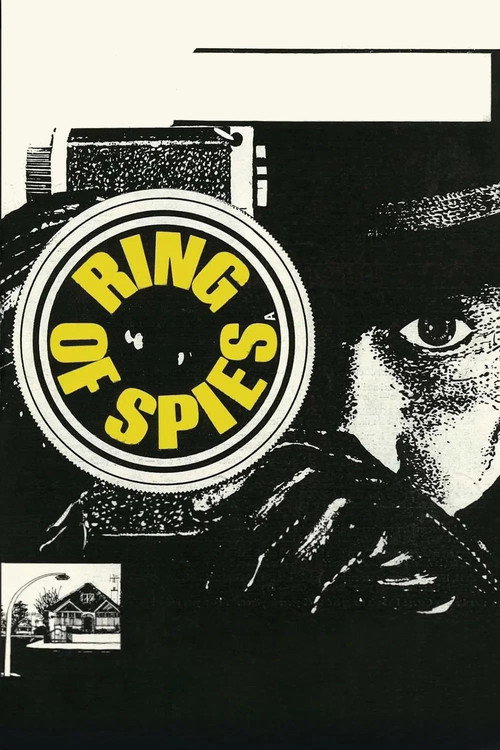
Ring of Spies is a period piece that upholds traditional social and national hierarchies of the Cold War era. Its narrative structure supports the stability of Western institutions during the 1960s. The film adheres closely to the social norms of the time, focusing on a homogeneous, white, Anglo-Saxon intelligence community. It provides limited representation of diverse identities and non-Western perspectives. Overall, the film defends the status quo, emphasizing institutional loyalty and the neutralization of foreign threats through a conventional lens.
Category Breakdown
The film does not include any LGBTQ+ characters or explore non-straight relationships.
The film maintains traditional gender roles, with men holding positions of power and women's roles tied closely to those of men.
The cast is primarily white and Anglo-Saxon, reflecting the homogeneity of the 1960s British intelligence community. There are no characters from non-Western backgrounds.
The narrative emphasizes the legitimacy of Western institutions and national security, reinforcing the status quo without critiquing these institutions.
The characters are portrayed as fully able-bodied professionals, with no representations of physical or neurodivergent disabilities.
Present on Screen
Limited or Absent
Official Synopsis
The film is based on the actual events of the Portland Spy Ring trial in the U.K. A disgruntled Navy Clerk is transferred to a secret research establishment and is subsequently black-mailed/paid by Czech intelligence to procure secrets for them. He seduces the secretary who controls the most secret documents, and they enjoy the fruits of their treachery until the British authorities begin to close in on them.
1956

1952

1962
1973

1952

1969
1951

1965
No reviews yet. Be the first to share your thoughts on this movie!
Use the rating form above to leave a star rating and optional review.