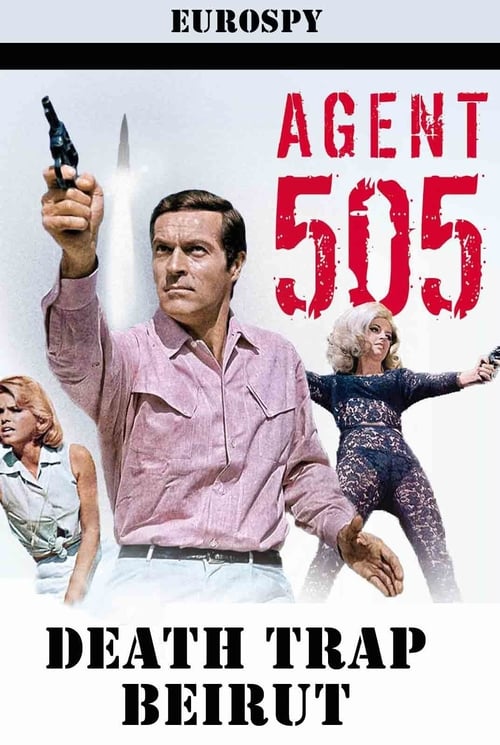
Agent 505 - Death Trap Beirut
1966
No user ratings available yet
Representation score: 2.0 out of 10
Representation Score
Limited
1966
Director
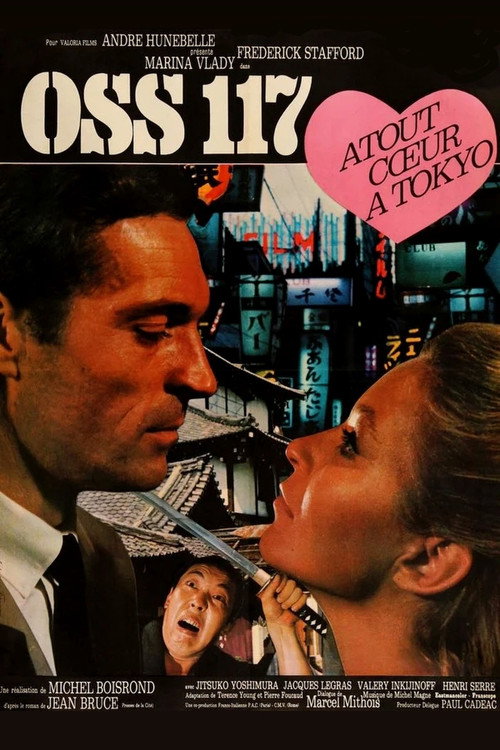
Michel Boisrond
Runtime
100 minutes
Average Rating
No ratings yetNew Showbiz Analysis
O.S.S. 117: Mission to Tokyo is a quintessential mid-century espionage thriller that prioritizes genre conventions over social complexity. The narrative is built around a Western-centric model, focusing on the protection of American interests and the neutralization of external threats. Representation is limited by the era's cinematic norms. The film centers on a male lead and reinforces traditional gender roles, while the Japanese setting serves more as a backdrop for geopolitical tension than a platform for authentic cultural ability to act. Ultimately, the film functions as a standard product of its time, lacking multi-layered depth or systemic critique. It upholds established hierarchies rather than challenging them.
Category Breakdown
The film follows the straight-centered structures typical of 1960s espionage, with no visible representation of LGBTQ+ identities or critiques of traditional romantic relationships.
Men hold the majority of leadership and action roles, while women primarily serve as supporting characters or romantic interests within a traditional hierarchy.
Set in Japan, the film emphasizes protecting American interests. This setting risks using ethnic diversity merely as an aesthetic backdrop without giving characters of color meaningful roles.
The story upholds Western institutional values and patriotism, framing conflicts through a lens of Western stability against external threats, reinforcing conventional geopolitical hierarchies.
The film lacks any representation of characters with visible or invisible disabilities, following the standard omission of neurodivergent or physically disabled perspectives found in mid-century action cinema.
Present on Screen
Limited or Absent
Official Synopsis
After an American Navy base is annihilated by a secret weapon, Agent OSS 117 is sent to Japan to investigate the organization that's claiming responsibility, and threatening the US with another attack, if they don't pay.
1966

1973

1963
2009

1981
2006
1973

1965
No reviews yet. Be the first to share your thoughts on this movie!
Use the rating form above to leave a star rating and optional review.