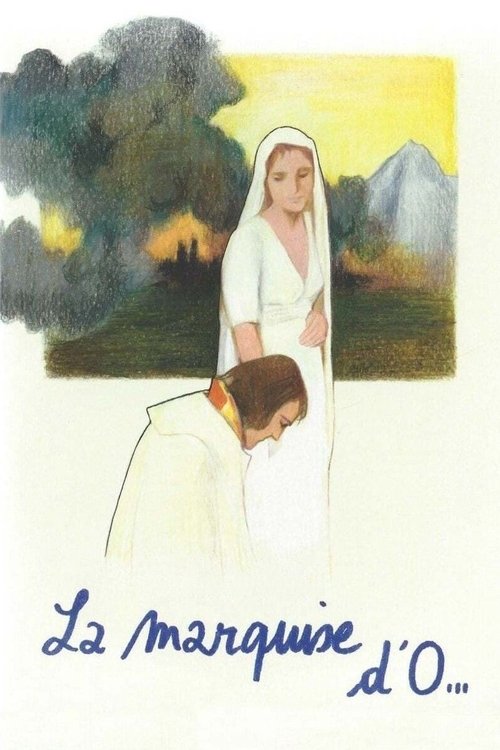
The Marquise of O
1976
No user ratings available yet
Diversity score: 3.9 out of 10
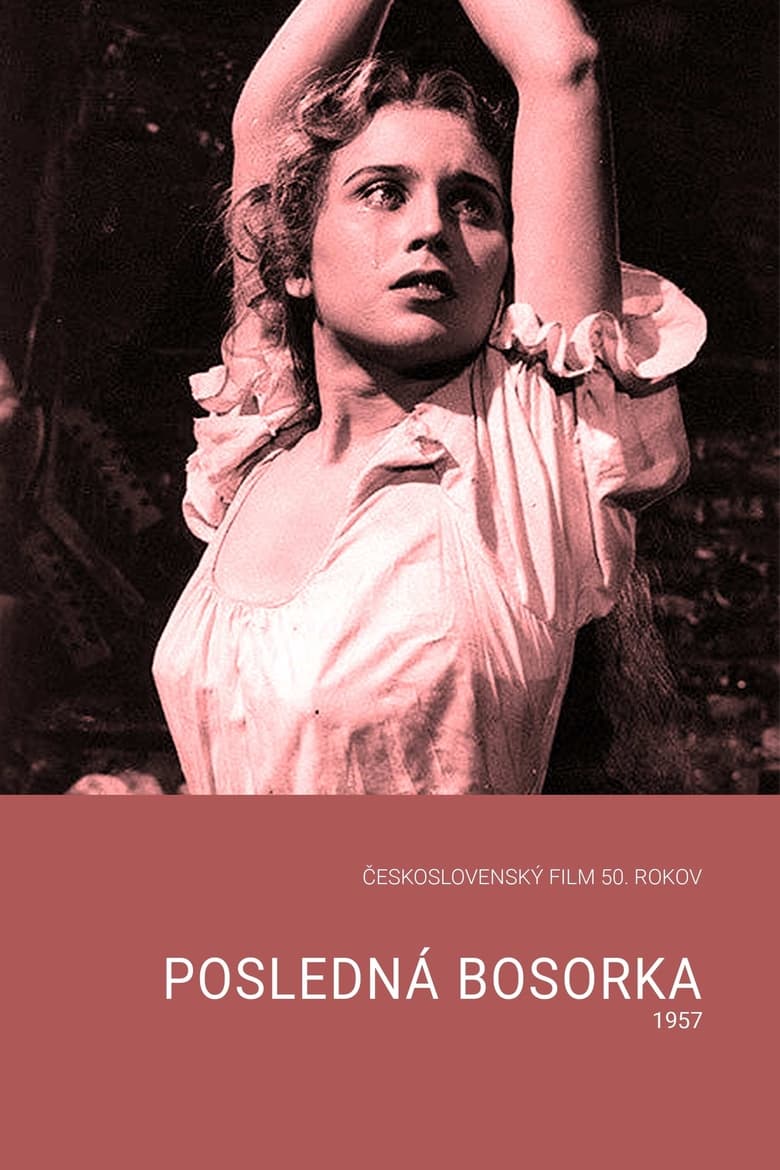
1957
Director
Vladimír Bahna
Runtime
96 minutes
Average Rating
No ratings yetSynopsis
This dramatic story is situated in the town of Trnava of the 18th century. Painter Peter paints an altar-piece of the Martyrdom of St. Juliet and his model is a young girl. This is much disliked by the clergy who unjustly accuse the girl of witchcraft. She is saved from being burnt at a stake by the students of the Trnava University.
Overall Score
Fair
Category Breakdown
LGBTQ+ Representation
The film lacks any evidence of non-heteronormative identities or queer-coded character arcs. It operates within traditional 18th-century social structures without subverting romantic norms.
Gender Representation
A female protagonist serves as the narrative focal point, resisting patriarchal authority and the clergy. Her struggle against systemic marginalization provides a central element of agency.
Racial & Ethnic Diversity
The setting and production context suggest a homogeneous Central European cast. There is no evidence of intentional racial blending or color-blind casting.
Religious & Cultural Diversity
The story critiques religious dogma by framing the clergy as unjust antagonists. It prioritizes secular or academic intervention over religious dictates to resolve the conflict.
Disability Representation
There is no documented evidence regarding the portrayal of physical or neurodivergent disabilities in the primary plot.
Strengths
Areas for Improvement
AI Analysis
The film finds its strength in its structural critique of institutional power. By centering on a woman unjustly accused of witchcraft, the narrative challenges the moral monopoly of the Church and traditional patriarchal hierarchies. However, the work remains limited by its historical context, offering little in the way of racial or LGBTQ+ diversity. The cast appears to reflect the demographic homogeneity of 18th-century Central Europe. Ultimately, the film is a study of individual agency versus systemic oppression, using a historical lens to deconstruct the authority of established religious institutions.
1976

1980
1974
1914

2013
1974
1917

2021

1968

1980

2019

1925
No reviews yet. Be the first to share your thoughts on this movie!
Use the rating form above to leave a star rating and optional review.