Vendetta
1950
No user ratings available yet
Representation score: 2.2 out of 10
Representation Score
Limited
1927
PassedDirector
George B. Seitz
Runtime
54 minutes
Average Rating
No ratings yetNew Showbiz Analysis
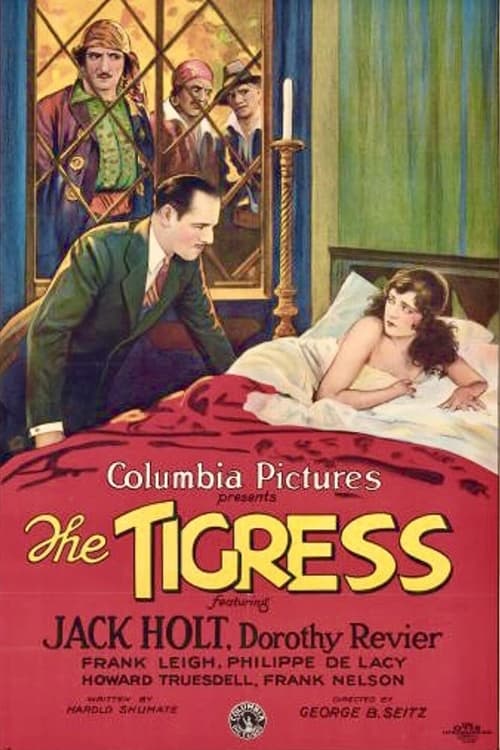
The Tigress operates as a conventional 1920s melodrama. While it offers a proactive female lead with notable ability to act, the film's structure adheres to the era's storytelling norms. The inclusion of a Romani ensemble provides a central narrative engine, yet this representation functions more as a plot catalyst than a nuanced exploration of identity. The film relies heavily on established genre clichés and lacks a critique of systemic institutions or social hierarchies.
Category Breakdown
The film centers on a traditional revenge storyline focused on family loss. There are no depictions of non-binary or LGBTQ+ identities or same-sex relationships.
Mona is a capable protagonist with specialized skills like knife-throwing. Her role drives the plot, but her motivations are tied to traditional family loyalty.
The film features a Romani ensemble as a central element. While they play a key role in the conflict, the depiction relies on period-specific stereotypes.
The story explores justice through a standard crime drama framework. It focuses on individual retribution rather than critiquing systemic issues or cultural norms.
No visible or invisible disabilities are shown among the main characters in this silent-era melodrama.
Present on Screen
Limited or Absent
Official Synopsis
In Spain, a band of gypsies poach the deer in a neighboring estate. The gypsy chief, Tser (Harold Truesdale), is murdered in cold blood, and the estate owner Winston Graham (Jack Holt) is blamed. The chief's daughter Mona (Dorothy Revier) is an expert knife-thrower and sets out to avenge her father.
1950
1971
1951
1930
1936
1912
1961

1931
No reviews yet. Be the first to share your thoughts on this movie!
Use the rating form above to leave a star rating and optional review.