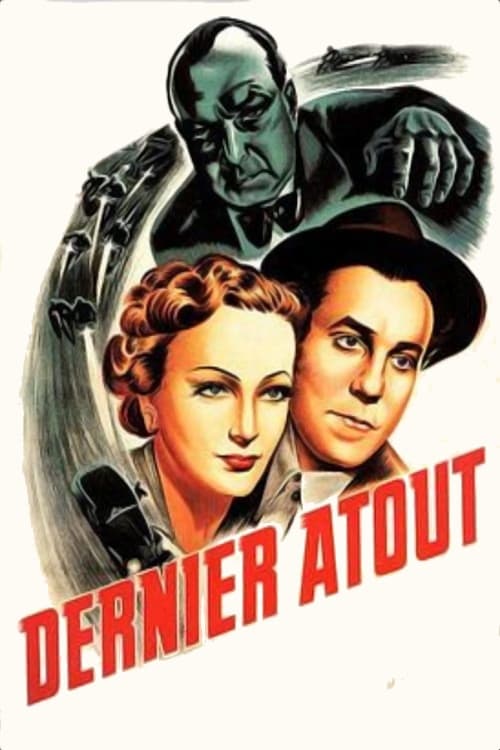
The Trump Card
1942
No user ratings available yet
Representation score: 2.1 out of 10
No Poster Available
Representation Score
Limited
1930
ADirector
Lawrence Huntington
Runtime
70 minutes
Average Rating
No ratings yetNew Showbiz Analysis
After Many Years is a conventional 1930s crime drama driven by a singular, heroic male protagonist. The narrative follows a revenge motif set in Peru, focusing on a son's quest to find his father's killer. The film lacks complexity in reflecting multiple aspects of identity, adhering to traditional archetypes and moral structures of early sound-era cinema. While the South American setting provides a non-Western backdrop, the film's approach to local culture remains unverified. Ultimately, the production reflects the era's standard studio systems, prioritizing established genre clichés over diverse or subversive storytelling.
Category Breakdown
The film does not include any LGBTQ+ characters or narratives. It likely follows the strict straight-centered conventions typical of 1930s cinema.
The story centers on a male protagonist seeking revenge for his father, which often sidelines female characters to supporting or domestic roles.
The Peruvian setting suggests a non-Western backdrop, but it is unclear if the film explores the ability to act of indigenous people. It may rely on exoticized clichés common to the era.
The plot focuses on traditional concepts of justice and law and order. There is no indication of deconstructing Western institutions or embracing moral relativism.
There is no evidence of characters with physical or neurodivergent disabilities within the narrative or historical records.
Present on Screen
Limited or Absent
Official Synopsis
A murdered policeman's son tracks down the murderer in Peru.
1942

1939
1927
1958

1951

1948
1936

1962
No reviews yet. Be the first to share your thoughts on this movie!
Use the rating form above to leave a star rating and optional review.