Samson
1915
No user ratings available yet
Representation score: 0.4 out of 10
No Poster Available
Representation Score
Minimal
1927
PassedDirector
William James Craft
Runtime
57 minutes
Average Rating
No ratings yetNew Showbiz Analysis
The Clown is a conventional silent crime drama that operates within the social and cinematic norms of the 1920s. It lacks the complexity of reflecting multiple aspects of identity or disrupting traditional power dynamics. The film adheres to standard, non-challenging clichés of the era. Its narrative structure aligns with the typical crime genre of the time, focusing on established moral frameworks rather than social deconstruction. Ultimately, the work reflects the homogeneous and straight-centered standards prevalent in early Hollywood production.
Category Breakdown
The film does not include any characters with non-cisgender identities or same-sex relationships. It follows the assumption that everyone is straight or cisgender, which is typical for crime dramas of the 1920s.
Women in the film likely play traditional roles such as domestic figures or passive catalysts for male-driven plots. There is no indication of women having significant control over the story or challenging male leadership.
The production reflects early Hollywood's homogeneous casting practices. The narrative seems to center on a Western-centric perspective without any documented non-white majority casts.
The story focuses on individual morality and legal consequences rather than broader social critiques. It likely reinforces conventional family structures and respect for established authority.
There is no verifiable evidence regarding the inclusion of characters with physical or neurodivergent disabilities.
Present on Screen
Limited or Absent
Official Synopsis
Silent crime drama Directed by William James Craft.
1915
1927
1927
1928
1928

1929
1916
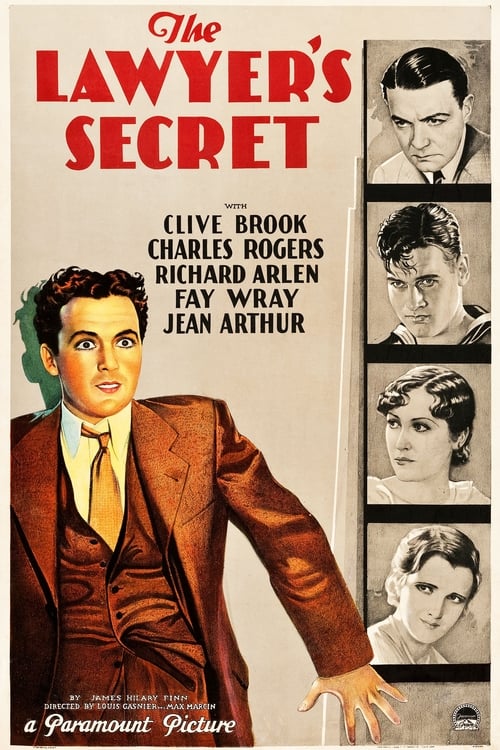
1931
No reviews yet. Be the first to share your thoughts on this movie!
Use the rating form above to leave a star rating and optional review.