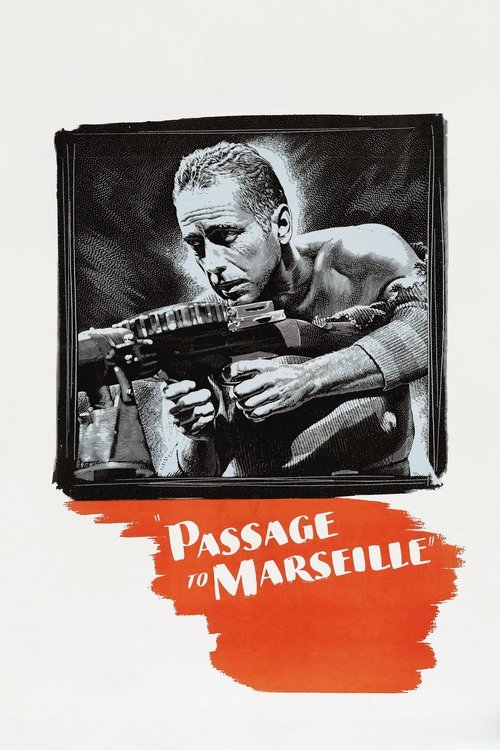
Passage to Marseille
1944
No user ratings available yet
Representation score: 3.4 out of 10
Representation Score
Limited
1941
ApprovedDirector
Vincent Sherman
Runtime
95 minutes
Average Rating
No ratings yetNew Showbiz Analysis
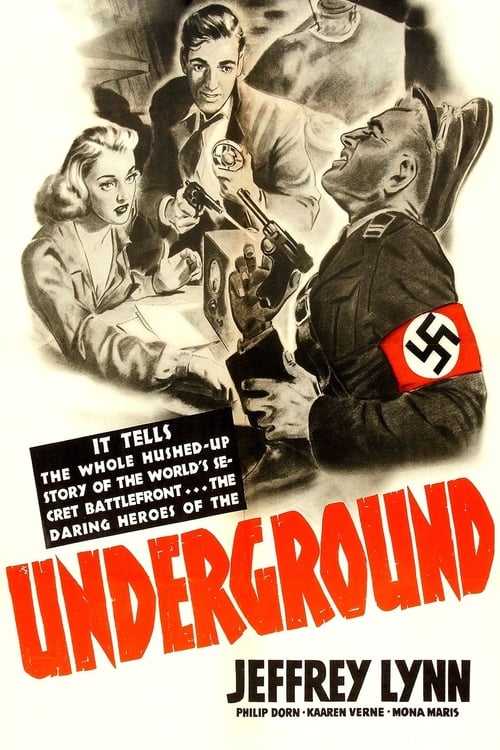
Underground serves as a strong critique of totalitarianism during wartime, using the ideological divide between two brothers to expose the evils of the Third Reich. Its strength lies in its moral deconstruction of institutional corruption and evil. However, the film reflects the homogeneity and the assumption that everyone is straight or cisgender typical of 1940s Hollywood. It offers limited representation for underrepresented groups, focusing primarily on European-centric themes.
Category Breakdown
The film centers on the conflict between two brothers and does not include any non-cisgender identities or same-sex relationships.
Ann Sheridan plays a key female role, but her actions are mostly reactive to male-driven politics. The story emphasizes male power struggles over challenging gender hierarchies.
The cast is predominantly white, reflecting the demographics of 1941 Hollywood. The narrative lacks characters of color with significant influence.
The film effectively dismantles the Nazi regime as an oppressive system, highlighting individual conscience against state authority.
There is no representation of physical or neurodivergent disabilities among the characters.
Present on Screen
Limited or Absent
Official Synopsis
A World War II Hollywood propaganda film detailing the dark underside of Nazism and the Third Reich set between two brothers, Kurt and Erik Franken, whom are SS officers in the Nazi party. Kurt learns and exposes the evils of the system to Erik and tries to convince him of the immoral stance that marches under the symbol of the swastika.
1944

1965
1976
1974
1939
1941

1959
2001
No reviews yet. Be the first to share your thoughts on this movie!
Use the rating form above to leave a star rating and optional review.