
The Four Feathers
1939
No user ratings available yet
Representation score: 0.6 out of 10
Representation Score
Limited
1944
ApprovedDirector
Michael Curtiz
Runtime
109 minutes
Average Rating
No ratings yetNew Showbiz Analysis
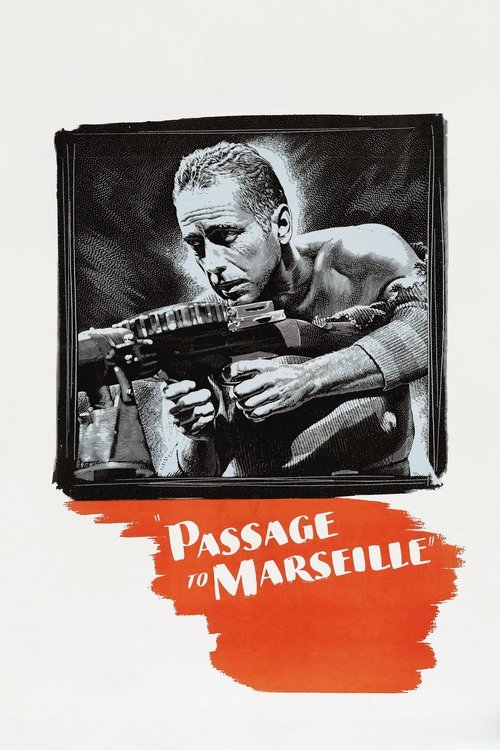
Passage to Marseille presents a diverse group of individuals united against Nazi rule. By showcasing a mix of identities, the film creates a sense of a united front. However, it is constrained by the limitations of its time, lacking representation of LGBTQ+ and disabled characters. While women are shown as active participants in the resistance, the film does not delve deeply into multi-layered issues as contemporary stories might.
Category Breakdown
The film does not include any LGBTQ+ characters or explore non-straight relationships. It follows the conventions of the 1940s closely.
Women play key roles in the resistance movement and are not just decorative figures. They have significant influence in the clandestine activities.
The cast includes characters from various ethnic backgrounds within Europe, reflecting a diverse population in the port of Marseille. The film avoids a uniform depiction of society.
The story highlights the importance of collective action and solidarity against an oppressive regime. It portrays the fight for freedom as a moral imperative.
The film does not focus on characters with visible or invisible disabilities. Instead, characters are defined by their roles in the resistance movement.
Present on Screen
Limited or Absent
Official Synopsis
A freedom-loving French journalist sacrifices his happiness and security to battle Nazi tyranny.
1939
1941
1945
1939
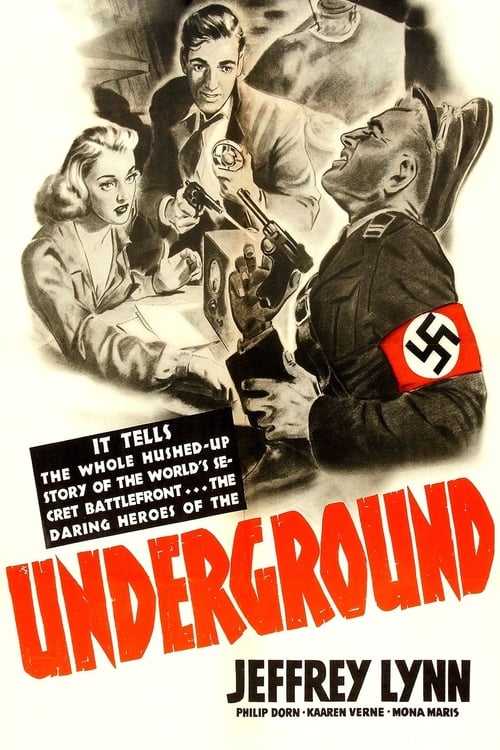
1941
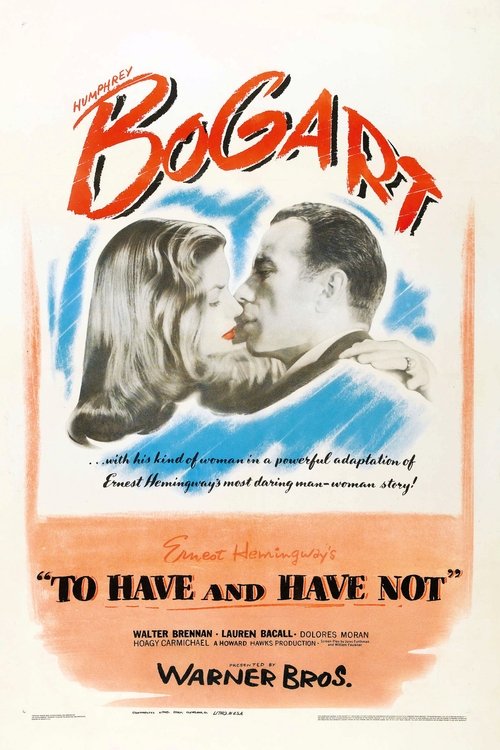
1945
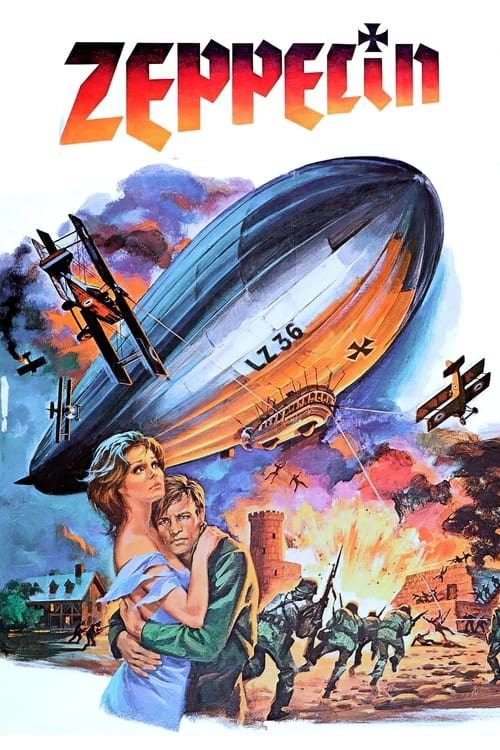
1971
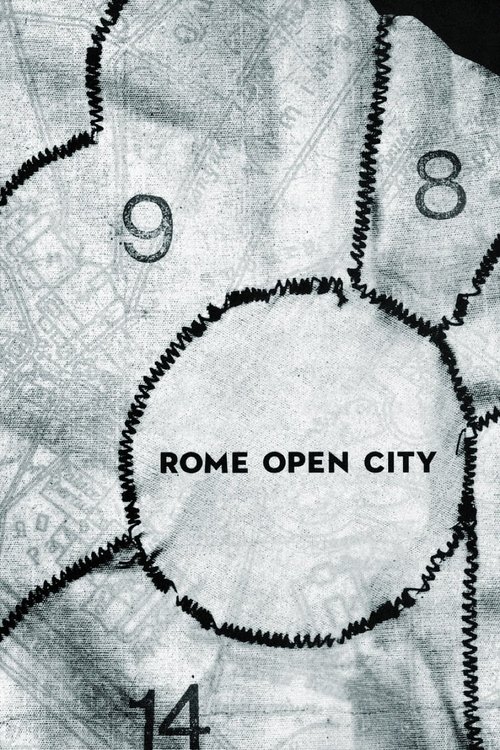
1945
No reviews yet. Be the first to share your thoughts on this movie!
Use the rating form above to leave a star rating and optional review.